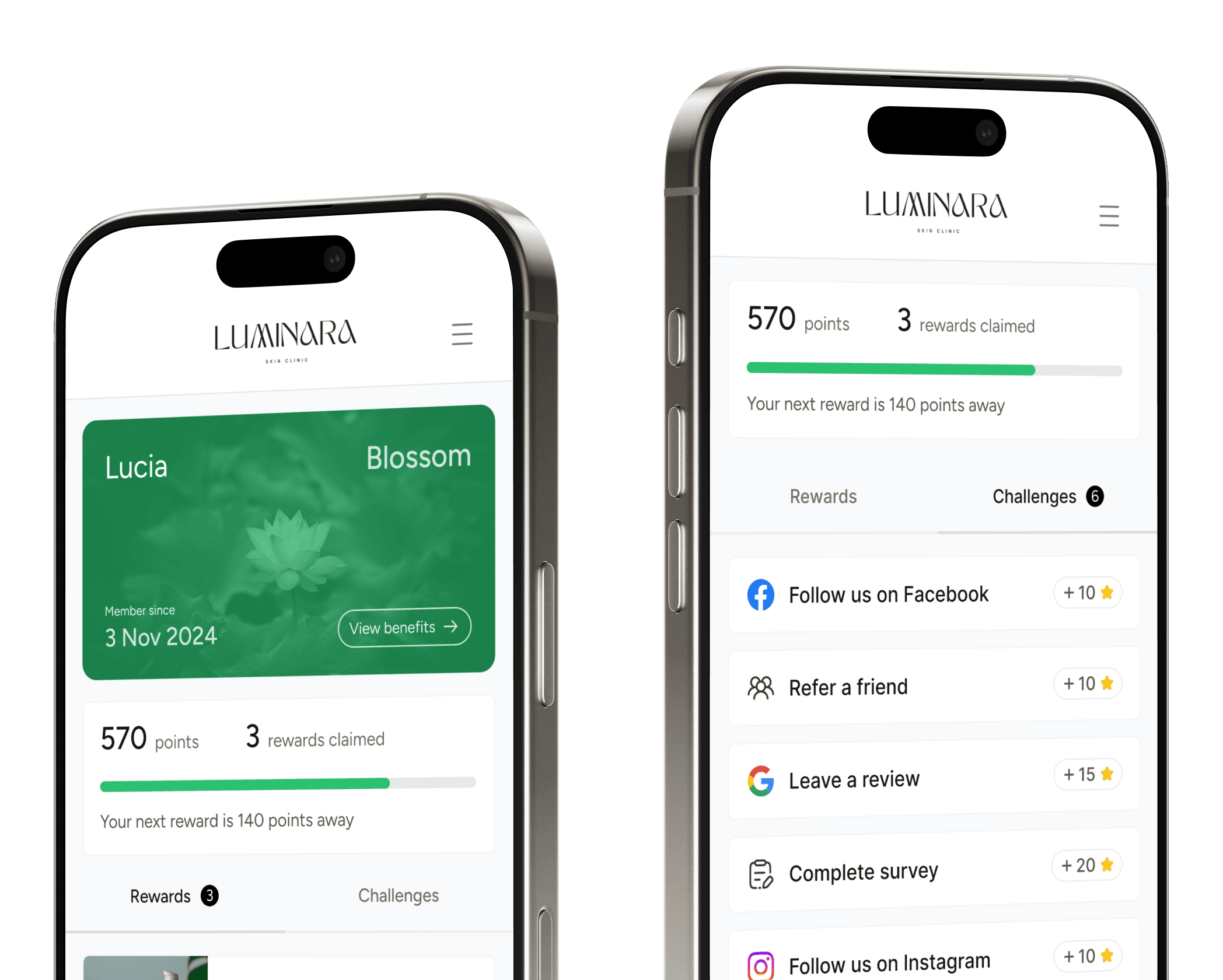
Read our latest use case:


Launch your own customer loyalty app in just 5 minutes
Offer rewards, track visits, and increase bookings with your own branded loyalty program.

2M+ users worldwide every day

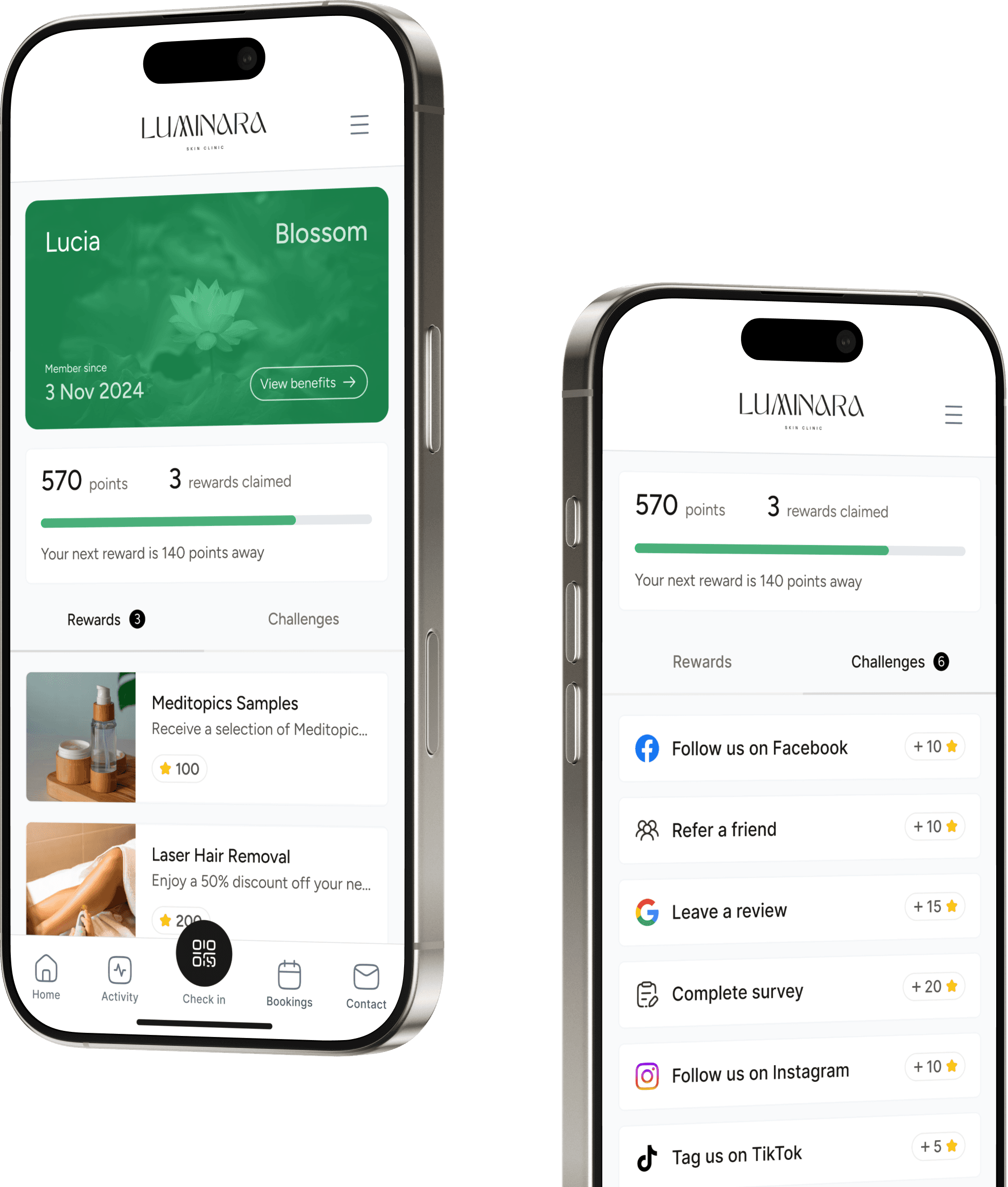
Launch your own customer loyalty app in just 5 minutes
Offer rewards, track visits, and increase bookings with your own branded loyalty program.
2M+ users worldwide every day


Trusted by businesses across industries
Trusted by businesses across industries
























Get more business with your own branded customer loyalty app
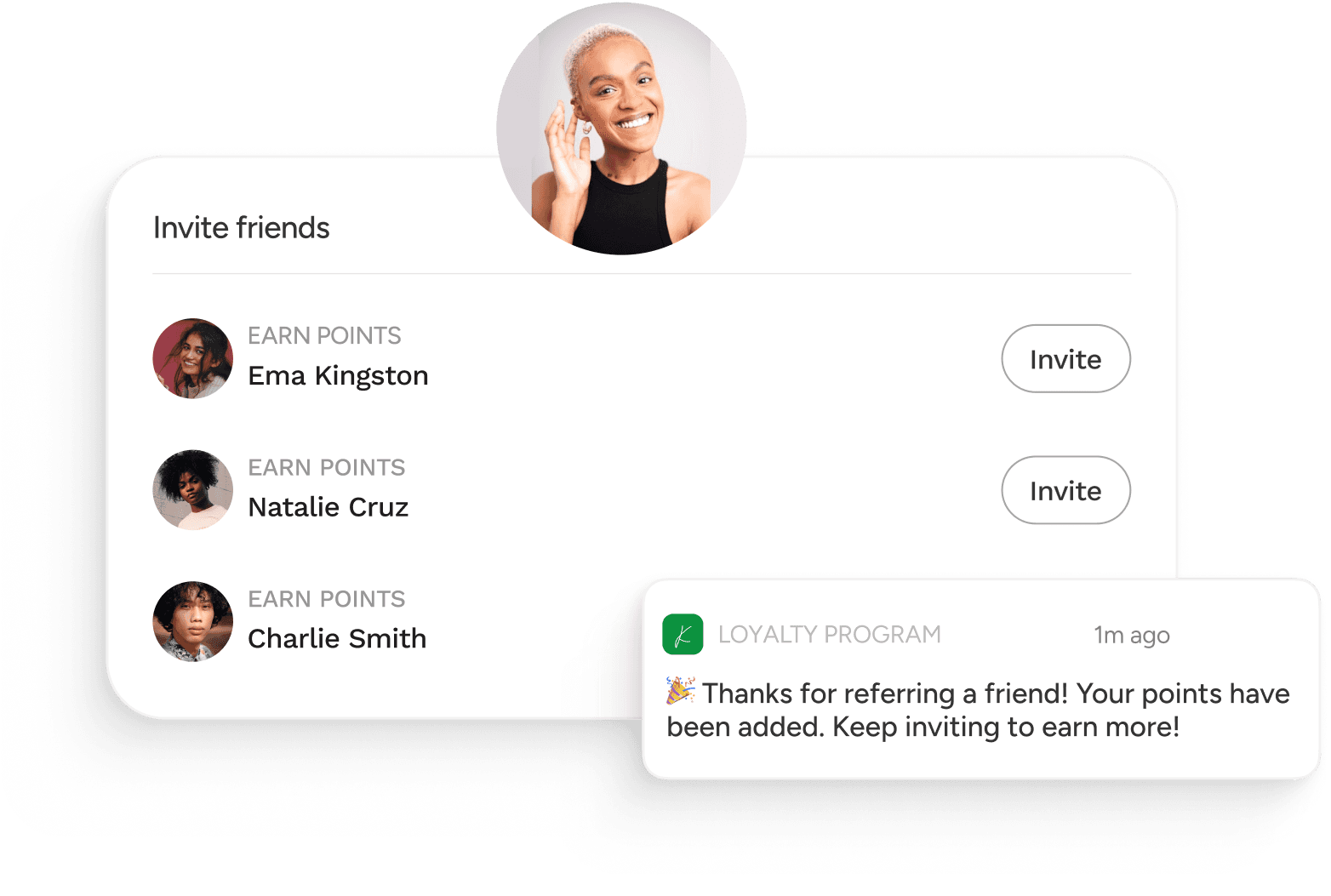
Referral
Launch a referral program to reward customers for bringing in friends and family. Every successful referral earns points, which encourages customers to spread the word about your business.
Repeat visits
Reviews
Social media engagement
Questionnaire
Referral
Launch a referral program to reward customers for bringing in friends and family. Every successful referral earns points, which encourages customers to spread the word about your business.
Repeat visits
Reviews
Social media engagement
Questionnaire
Make it easy for customers to stay engaged and return
Make it easy for customers to stay engaged and return
Notifications
Send confirmations, updates, and cancellation notices.
Challenges
Create custom challenges so members earn extra points.
Rewards
Offer personalised reward and surprise gifts to keep members engaged.
Tiers
Build long-term loyalty with milestones that unlock exclusive benefits.
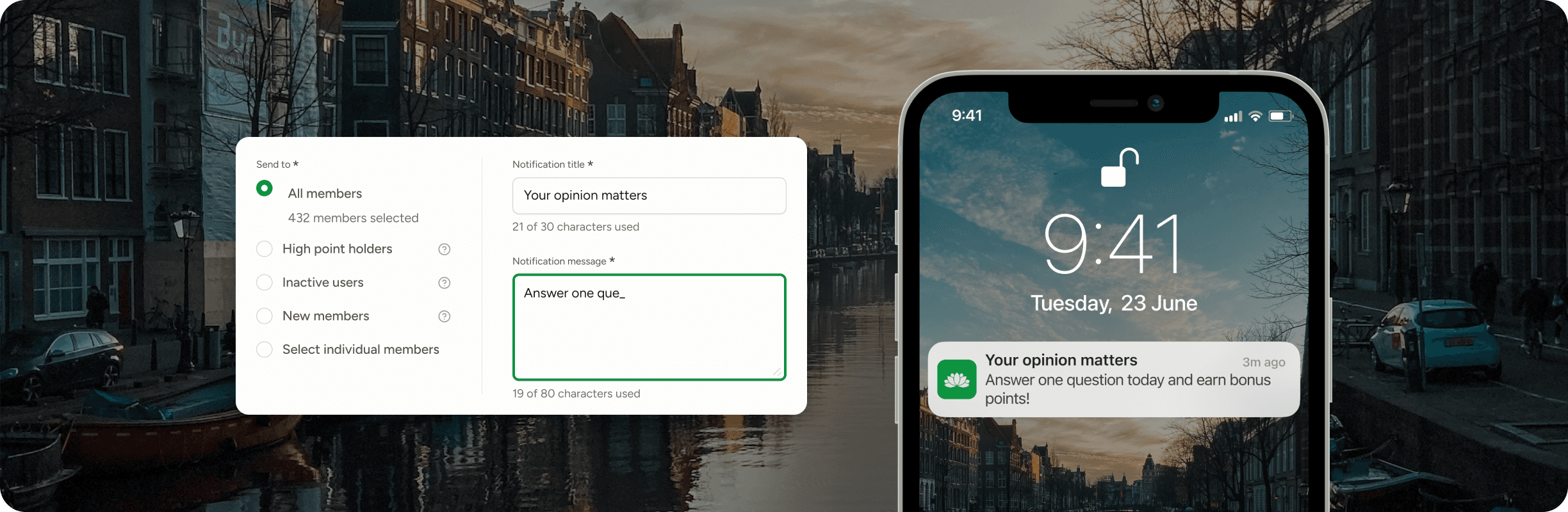
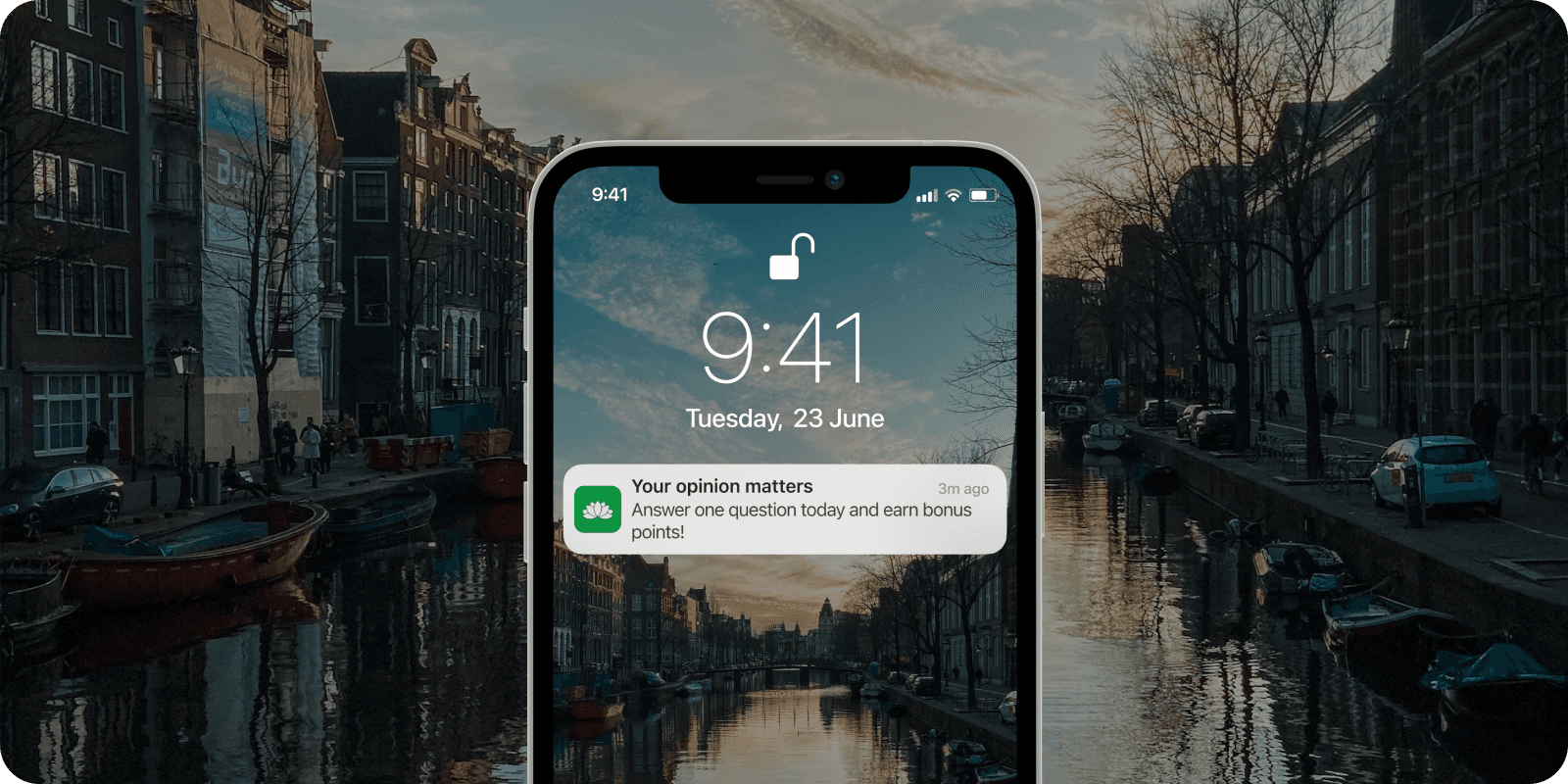
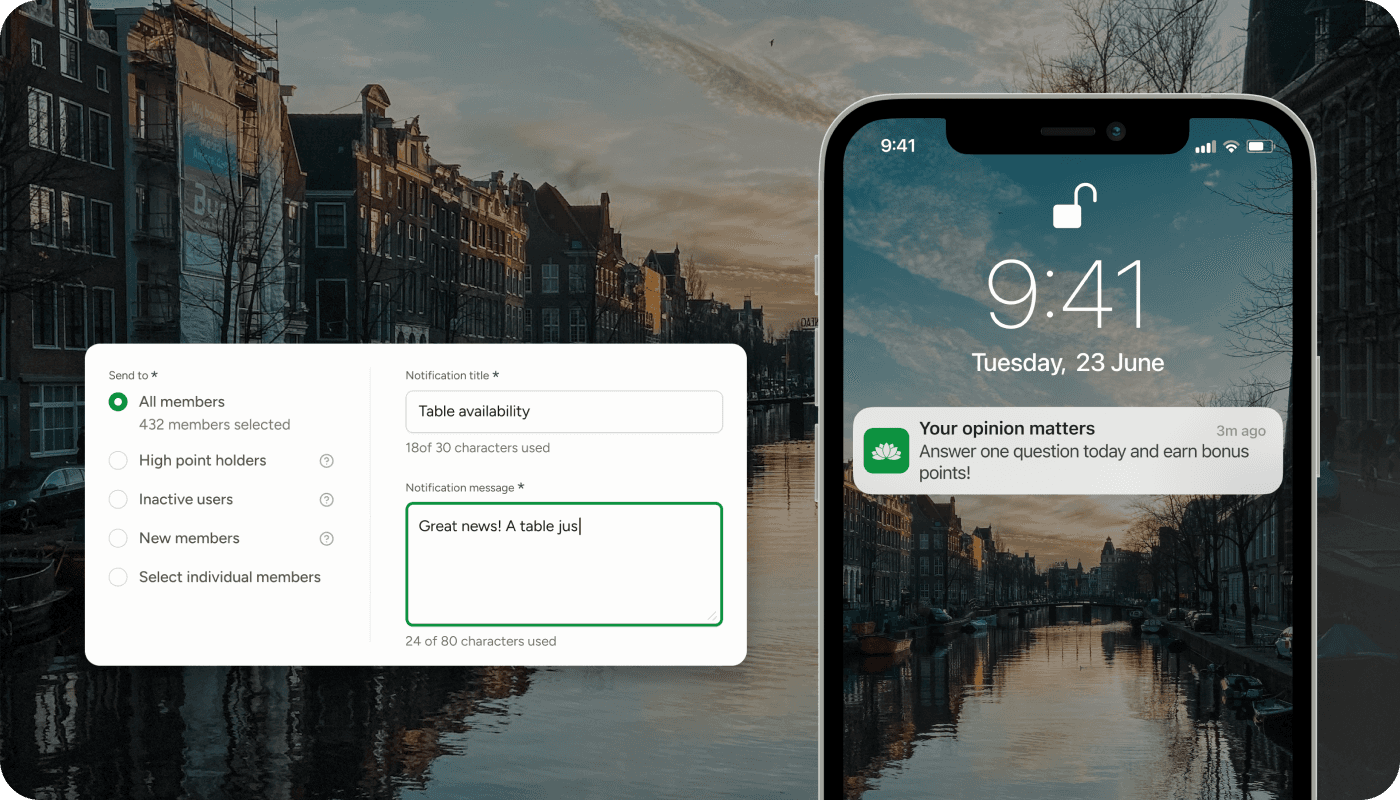
Customer loyalty is essential to building a sustainable business
Build brand awareness
Reach new clients with personalized offers, reminders, and engaging campaigns.
Build brand awareness
Reach new clients with personalized offers, reminders, and engaging campaigns.
Retain more customers
Encourage repeat visits with rewards for bookings and ongoing participation.
Retain more customers
Encourage repeat visits with rewards for bookings and ongoing participation.
Understand client behavior
Track habits to refine services and enhance customer experiences.
Understand client behavior
Track habits to refine services and enhance customer experiences.
Grow your customer base
Attract new clients through reviews, referrals, and social media incentives.
Grow your customer base
Attract new clients through reviews, referrals, and social media incentives.
HOW IT WORKS
Build the perfect loyalty program in 4 steps
1
Brand it your way
Apply your logo, colors and designs. Your loyalty program lives inside your own branded app.
2
Choose what to reward
3
Set the rules
4
Launch and improve

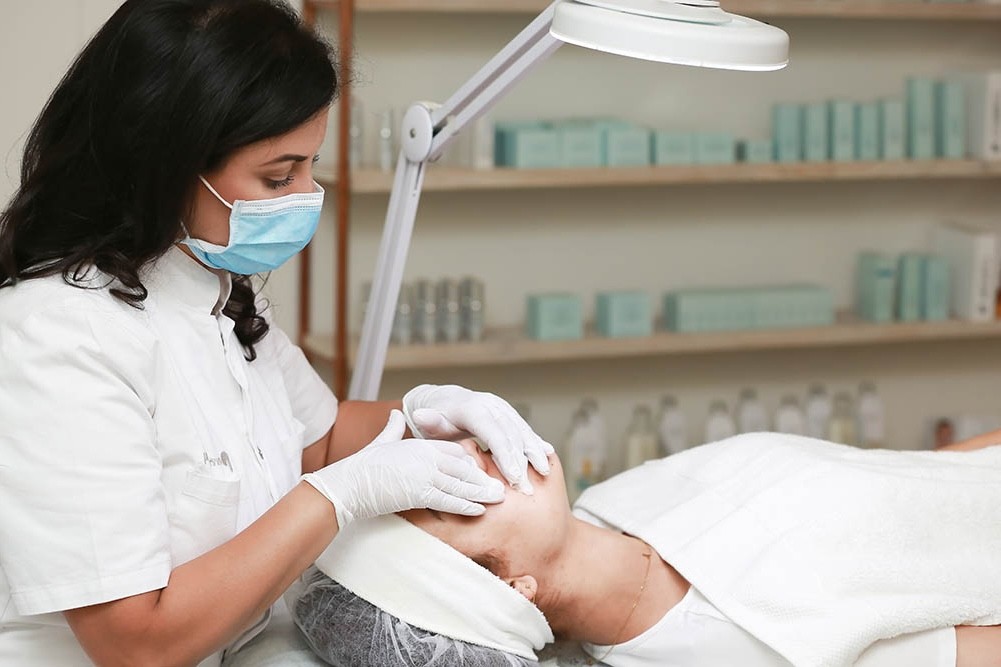

A partner who truly thinks along and delivers!
"For our SKINSIS Clinic, we wanted an app developed that met our needs. Authic delivered perfectly. The team was proactive from day one. The result is a professional and user-friendly app. In short: reliable, creative, and dedicated."

Hanan Merroun, Co-founder


I’ve had a fantastic experience working with Authic.
"From start to finish, their team was professional, responsive, and extremely knowledgeable. They delivered exactly what I needed, a sleek, reliable, and fully-branded app that represents my business perfectly."

Tom Davis, Co-owner

Amazing partner for our new loyalty platform.
"Authic helped us launch Club Peakz Padel, the rewards program that lets players earn points every time they step on court. They have been super flexible and always willing to find creative solutions for any challenges that we have!"

Pim van der Gulik, Digital Marketer

HOW IT WORKS
Build the perfect loyalty program in 4 steps
1
Brand it your way
Apply your logo, colors and designs. Your loyalty program lives inside your own branded app.
2
Choose what to reward
3
Set the rules
4
Launch and improve









API INTEGRATIONS
Integrated with the tools you love
Authic integrates seamlessly with your current software, including booking tools, webshops, and POS systems. This means you can reward clients automatically for bookings or purchases without any extra effort.









API INTEGRATIONS
Integrated with the tools you love
Authic integrates seamlessly with your current software, including booking tools, webshops, and POS systems. This means you can reward clients automatically for bookings or purchases without any extra effort.
API INTEGRATIONS
Integrated with the tools you love
Authic integrates seamlessly with your current software, including booking tools, webshops, and POS systems. This means you can reward clients automatically for bookings or purchases without any extra effort.

CASE STUDY
How Aura Padel increased repeat bookings

CASE STUDY
How DNA Beauty turned luxury clients into repeat visitors

CASE STUDY
How De Troubadour turned guests into a loyal community
HOW IT WORKS
Build the perfect loyalty program in 4 steps
1
Brand it your way
Apply your logo, colors and designs. Your loyalty program lives inside your own branded app.
2
Choose what to reward
3
Set the rules
4
Launch and improve
BLOG
The latest news on customer loyalty
Stay updated on how Authic changes the customer loyalty space
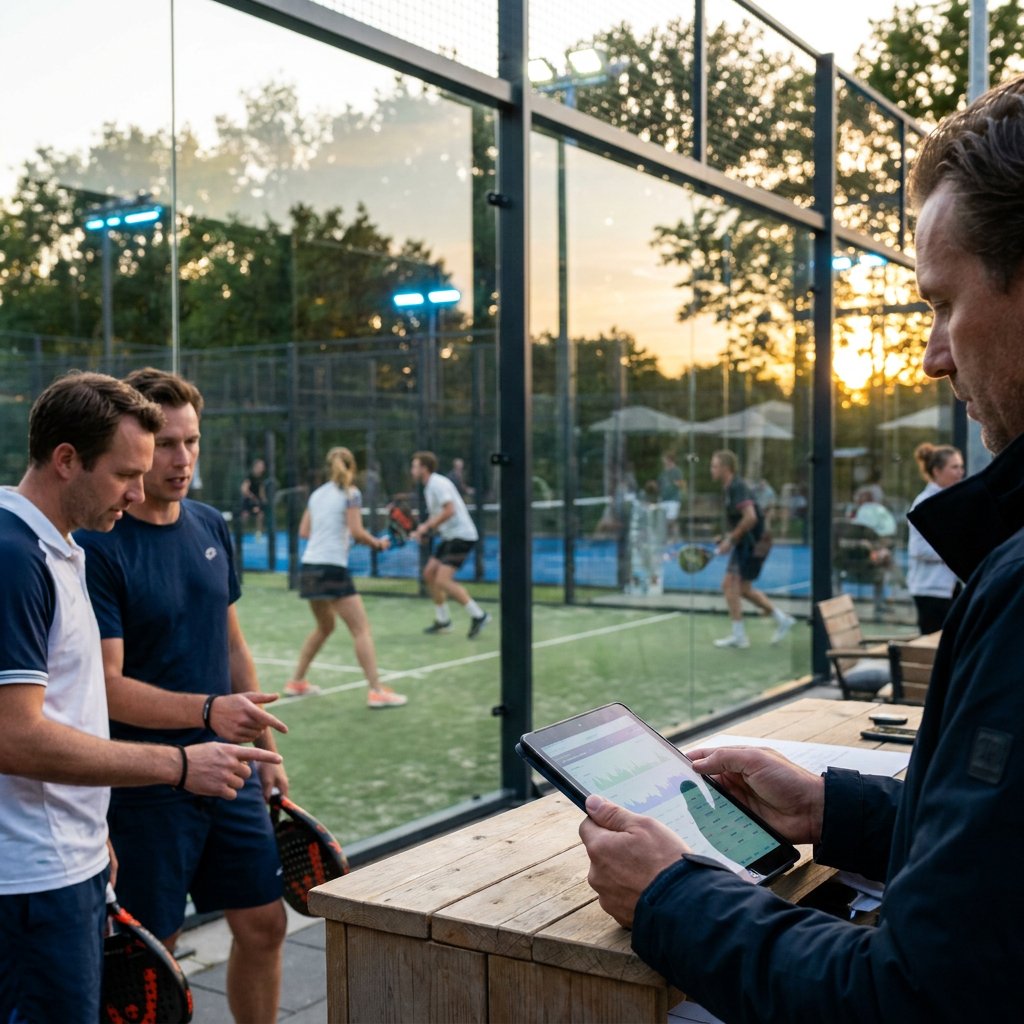
80/20 Rule for Padel Club Loyalty
The 80/20 rule for padel club loyalty is simple: a relatively small share of your players often generates a large share of your repeat bookings, spend, referrals, and club energy. If you run a padel club, this idea helps you stop treating every member exactly the same and start building loyalty around actual player value. Used well, the 80 20 rule for padel club loyalty can improve retention, increase off-peak usage, and make your rewards budget work harder without turning your program into a discount machine.
For most clubs, the goal is not to ignore casual players. It is to recognize that different segments need different incentives. Your most valuable players may respond best to status, convenience, early access, and exclusive benefits, while newer or lower-frequency players may need simple challenges, starter rewards, and booking nudges. The key is to validate the pattern with your own data, then design a loyalty setup that reflects how your club actually grows.
What the 80/20 rule means in a padel club
In loyalty terms, the 80/20 rule means that around 20% of your players may account for around 80% of the commercial impact that matters most to your club. That impact can include repeat court bookings, coaching purchases, event participation, on-site spending, referrals, and check-in frequency. The exact ratio will not always be 80 and 20, but the principle is useful because it highlights concentration of value.
For a padel club, this matters because loyalty is not just about handing out points. It is about identifying which player behaviors move revenue and retention, then rewarding those behaviors in a way that keeps your best customers engaged while also helping other players progress. A strong loyalty strategy turns player data into practical actions such as tiers, VIP perks, booster campaigns, and targeted notifications.
Why this rule matters for loyalty, not just revenue
Many clubs think about the 80/20 principle only in terms of sales, but it is just as relevant for retention and community health. Your most valuable players often do more than spend money. They book more often, bring friends, join leagues, fill classes, create atmosphere, and become visible advocates for the club. If they disengage, the effect is bigger than one lost booking.
That is why the 80/20 rule for padel club loyalty should be used to protect and grow your highest-value relationships. Loyalty mechanics can help you do that by giving frequent players a reason to stay active, return faster, and deepen their connection with your club. At the same time, you can use lower-friction rewards and challenges to move occasional players into more valuable behaviors over time.
How to identify your top 20% players
Before you build tiers or VIP rewards, you need to know who your high-value players really are. That means looking beyond a single metric. A player who books often but only at low-margin times may be valuable in a different way than a player who spends on coaching, events, and shop purchases. The best approach is to combine several signals and rank players accordingly.
Booking frequency - how often they reserve courts or sessions
Total spend - including bookings, coaching, events, food, drinks, or retail
Recency - how recently they visited or booked
Referral activity - whether they bring in new players
Off-peak engagement - whether they help fill quieter hours
Program participation - whether they complete challenges, redeem rewards, or engage with club offers
If you have access to analytics through your loyalty platform or connected systems, create a simple value score. Then compare the top segment against the rest of your member base. In many clubs, you will quickly see that a small group is responsible for a disproportionate amount of engagement and revenue.
Which loyalty metrics matter most for padel clubs
Not every club should optimize for the same outcome. A high-volume urban club may care most about repeat bookings and occupancy smoothing, while a community-led club may prioritize retention, league participation, and referrals. The 80/20 model only becomes useful when you define what value means for your operation.
Metric | Why it matters | What it can reveal
|
|---|---|---|
Repeat bookings | Shows loyalty and habit strength | Who returns consistently |
Visits per month | Tracks engagement level | Who is becoming a regular |
Total spend | Measures commercial value | Who drives revenue beyond court time |
Off-peak bookings | Helps fill unused capacity | Who responds to boosters and incentives |
Referrals | Supports acquisition through members | Who acts as an advocate |
Reward redemption | Shows program engagement | Which rewards actually motivate players |
How to apply the 80/20 rule to your loyalty design
Once you know which players drive the most value, the next step is to build a loyalty structure that reflects that reality. This does not mean giving the top 20% endless discounts. In fact, discount-led loyalty often erodes margin and trains players to wait for deals. A better approach is to combine recognition, exclusivity, convenience, and targeted incentives.
Use tiers to reward high-value behavior
Tiers are one of the clearest ways to apply the 80/20 rule for padel club loyalty. Players earn access to better benefits based on the behaviors your club wants more of, such as sessions played, spend, check-ins, or referrals. This helps you recognize your top segment without manually managing perks.
Examples of tier benefits include priority booking windows, early access to events, members-only mixers, guest passes, free match recordings, or bonus points on selected activities. The best benefits feel valuable to the player but remain commercially sensible for the club. If you want to build this approach further, a tiered loyalty program can help turn these high-value behaviors into clear progression.
Use VIP benefits instead of over-discounting
High-value players often care more about status and convenience than small price cuts. VIP cards, exclusive access, or fast-track perks can create a stronger emotional connection than generic discounts. This is especially useful in padel, where belonging and social identity are part of the experience.
Examples include reserved event access, locker or lounge perks, birthday benefits, priority registration for leagues, or bonus invitations for bringing guests. These rewards support loyalty without reducing price integrity across your full member base.
Use challenges to move the next segment upward
The top 20% deserves attention, but the next most promising segment is where growth often happens. Challenges can help occasional players become regulars by making progress visible and rewarding simple milestones. Think of a four-visit challenge, an off-peak streak, a beginner-to-intermediate ladder, or a referral mission tied to a club event.
This creates a bridge between broad participation and top-tier loyalty. Rather than only rewarding your current best players, you create a system that helps more players climb into that group.
Practical examples of 80/20 loyalty mechanics for padel clubs
Below are loyalty mechanics that fit the way padel clubs operate and align well with an 80/20 strategy.
Session-based tiers - players unlock levels after a set number of monthly or quarterly bookings
Off-peak boosters - extra points or rewards for bookings during quieter hours
Referral rewards - benefits when members bring in first-time players
VIP cards - premium perks for top-value players or members at higher tiers
Win-back automations - targeted nudges when a previously active player has not booked recently
Event loyalty - rewards for league participation, socials, or club tournaments
Platforms like Authic support this kind of setup through features such as membership tiers, VIP cards, notifications, challenges, analytics, and no-code campaign building. That makes it easier for clubs to test segment-based loyalty without needing custom development.
A simple segment model you can use
If your club is just getting started, keep segmentation practical. You do not need an advanced data science model to make the 80 20 rule for padel club loyalty useful. Start with three groups and give each a different loyalty objective.
Segment | Typical behavior | Loyalty objective
|
|---|---|---|
Top-value players | Frequent bookings, high spend, strong retention | Retain, recognize, and deepen loyalty |
Growth players | Moderate activity, good potential | Increase frequency and move into higher tiers |
Casual or at-risk players | Infrequent visits or long gaps | Re-engage with simple offers and low-friction rewards |
This approach keeps your program focused. Instead of broadcasting the same message to every player, you align rewards and communication with behavior.
How to avoid common mistakes with the 80/20 rule
The biggest mistake is using the rule as a shortcut instead of a starting point. Not every club has the same player mix, and not every high-spend member is equally loyal. You need to validate assumptions with your own data and review them regularly.
Do not assume the ratio is exact - your split may be 70/30 or 85/15
Do not reward only spend - referrals, off-peak bookings, and engagement can matter too
Do not over-discount top players - use recognition and access where possible
Do not ignore the middle segment - this group often offers the best growth potential
Do not run loyalty without measurement - track whether rewards change real behavior
How to measure whether your 80/20 loyalty strategy is working
A loyalty strategy is only useful if it improves business outcomes. For padel clubs, that usually means monitoring retention, repeat booking frequency, redemptions, off-peak utilization, average spend, and referral activity. Compare player behavior before and after campaigns, and review performance by segment rather than only at total-program level.
For example, if your top-value players are already highly active, success may look like reduced churn rather than a huge increase in bookings. If you target your middle segment with challenges or boosters, success may look like more monthly visits or faster movement into a higher tier. This is where analytics and connected booking data become especially valuable. To go deeper, track the right customer loyalty KPIs and use them to evaluate each segment properly.
When the 80/20 rule is most useful for a padel club
This framework is especially helpful when your club wants to grow repeat bookings without relying on constant promotions, improve member retention, fill quieter hours, or create a more structured VIP experience. It is also useful if your current loyalty setup feels too generic and you suspect your best players are not being recognized properly.
If you already collect data on bookings, check-ins, purchases, or campaign engagement, you are in a strong position to apply the rule. If you do not, start by tracking a few core behaviors consistently before adding more complex logic.
FAQ about the 80/20 rule for padel club loyalty
What is the 80/20 rule for padel club loyalty?
It is the idea that a smaller group of players often creates a larger share of bookings, spend, referrals, or retention value. Clubs use this insight to target rewards, tiers, and campaigns more effectively.
Is the 80/20 rule always exact in a padel club?
No. It is a guiding principle, not a fixed law. Your club may find that 15% of players drive 70% of value, or that 30% drive 75%. The point is to identify concentration of value and act on it.
Should a padel club only reward its top 20% players?
No. Your top players should be recognized, but your loyalty program should also help occasional players increase their activity. Good loyalty design supports both retention and progression. There are many practical ways to improve padel club loyalty beyond segmenting your highest-value members.
What rewards work best for high-value padel players?
Benefits that feel exclusive or convenient often work well, such as priority booking, event access, VIP perks, guest passes, and tier-based status. These can be more effective than repeated discounts.
How can you find your most valuable padel players?
Look at a mix of booking frequency, total spend, recency, referrals, check-ins, and participation in club activities. A simple ranking model is often enough to identify your top segment.
Can the 80/20 rule help increase off-peak bookings?
Yes. You can use boosters, bonus points, and targeted offers to encourage valuable players and growth segments to book during quieter hours, improving court utilization.
What is the golden rule in padel?
In sport terms, people often use this to mean fair play, respect, and safety on court. In loyalty strategy, the closest equivalent is to reward the behaviors that make your club healthier, not just the transactions that are easiest to count.
What are the unwritten rules of padel?
Common unwritten rules include respecting court etiquette, communicating with your partner, and keeping the game social and enjoyable. For clubs, that social side is exactly why loyalty can work so well when it rewards participation and community behavior.
What are the new padel rules for 2026?
Official game rules can change by federation or competition context, so clubs should always check the latest governing body updates. These sport rules are separate from the 80/20 rule, which is a loyalty and business principle.
What happens at 40-40 in padel?
At 40-40, the game reaches deuce unless a no-ad format is being used. This scoring rule is unrelated to the 80/20 rule for padel club loyalty, but it is a common search question because both topics include numbers and the word rule.
7 min
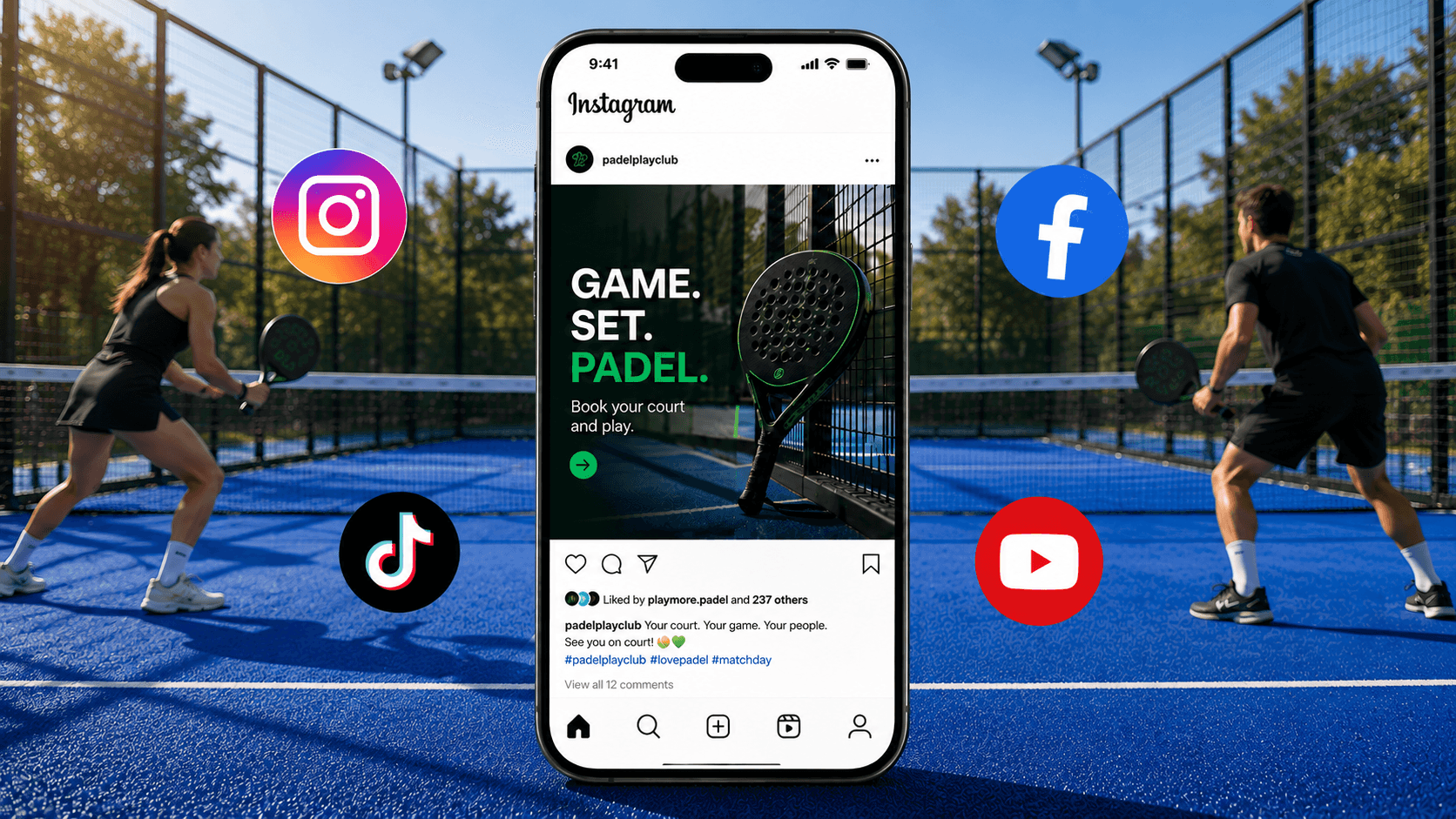
5-5-5 Rule for Padel Club Social Media
The 5-5-5 rule for padel club social media is a simple way to keep your content balanced, relevant, and useful for your audience. If your club only posts promotions, people tune out. If you only post fun content, you may get likes but not bookings. The strength of the 5-5-5 approach is that it gives you a clear framework: mix community content, educational content, and conversion-focused content in equal parts so your social channels support both engagement and revenue.
For padel clubs, that balance matters. You are not just trying to grow followers. You want to fill courts, increase repeat play, promote events, strengthen member loyalty, and keep your club visible in a crowded local market. Done well, the 5 5 5 rule for padel club social media helps you post with purpose instead of guessing what to share each week.
What is the 5-5-5 rule for padel club social media?
The 5-5-5 rule is a content planning model built around three equal buckets of social media content. For a padel club, this usually means:
5 posts focused on community and club culture
5 posts focused on education, tips, and value
5 posts focused on offers, bookings, events, or actions you want people to take
The exact format can vary, but the principle stays the same: do not rely on one type of content. A healthy padel social strategy needs visibility, trust, and conversion. The 5-5-5 rule gives each of those a place in your content mix.
This makes it especially useful for clubs that post regularly but feel inconsistent. Instead of asking, “What should we post today?”, you work from a repeatable structure that covers what your audience needs to see before they book, join, or come back.
Why the 5-5-5 rule works for padel clubs
Padel clubs are highly visual, community-driven businesses. People do not just buy court time. They buy atmosphere, level-based play, social connection, convenience, and a sense of belonging. Your social media should reflect that.
The 5-5-5 rule works because it supports the full customer journey:
Community posts help people feel connected to your club
Educational posts help newer and existing players get more value from the sport
Conversion posts give people a clear next step, such as booking a court or joining an event
It also prevents a common mistake: posting only when you have something to sell. Most followers will not be ready to act every time they see your content. But if your feed consistently shows energy, expertise, and relevance, your club stays top of mind when they are ready to play.
How to structure the 5-5-5 content mix
5 community posts
Community content shows what your club feels like. It builds familiarity and makes your venue more than just a place to book a court.
Player spotlights
Team or coach introductions
Photos or short clips from league nights
Member milestones or challenge winners
Behind-the-scenes content from your club
These posts are useful because they create social proof without sounding too promotional. They show real people enjoying your club, which helps both retention and local discovery.
5 educational posts
Educational content gives followers a reason to keep watching even when they are not ready to book. It also positions your club as helpful and credible.
Padel technique tips
Beginner mistakes to avoid
Match tactics for doubles play
Equipment advice for different player levels
Rules explained in a simple way
This category is also a strong answer to search intent around padel rules and common questions. People often search things like what is the golden rule in padel, what is the 45 rule in padel, or what are the new padel rules for 2026. That same curiosity can inform your social content.
5 conversion posts
Conversion content is where you ask for action. These posts should still be useful and clear, but their main purpose is to drive a result.
Book a court this weekend
Join a beginner clinic
Register for a local tournament
Claim an off-peak offer
Refer a friend and unlock a reward
For clubs using a loyalty platform, this category can go further than standard promotions. You can connect social activity to bookings, referrals, event participation, or rewards, turning engagement into measurable club growth.
Example of the 5-5-5 rule in a monthly padel club content plan
If you post 15 times per month, the model is straightforward. You plan 5 posts in each category. This gives you consistency without making your feed repetitive.
Sample monthly content breakdown
Week 1: player spotlight, backhand tip, book a weekend court
Week 2: event recap, beginner rules post, sign up for social mix-in
Week 3: coach introduction, tactical positioning tip, promote off-peak bookings
Week 4: member challenge update, equipment advice, push last spots for a tournament
Extra posts: behind the scenes, FAQ-style reel, referral or loyalty campaign
This kind of structure helps your team produce content faster because each post has a role. It also makes performance easier to review. If one content bucket is underperforming, you can improve the message without losing the overall balance.
What to post in each category without sounding repetitive
The biggest risk with any content framework is creating the same post over and over. The fix is to vary the angle, format, and purpose inside each bucket.
Ideas for community content
Short interview with a regular member
Photo carousel from club night
Coach match-day routine
New court opening or venue update
Birthday, milestone, or challenge celebration
Ideas for educational content
One tactical tip for winning more points at the net
A simple explanation of scoring
What happens in padel if the score is 5'5" and how tie-break formats work in your competition
Warm-up routine before a match
How to choose the right racket balance
Ideas for conversion content
Midweek booking reminder
Last available places for a clinic
Referral reward campaign
Loyalty challenge linked to bookings or social actions
Season pass or membership call to action
How the 5-5-5 rule supports bookings and loyalty
For a padel club, social media should not operate in isolation. The best results come when content connects to real club actions like bookings, repeat visits, event participation, and referrals.
That is where the 5-5-5 rule becomes more than a posting formula. Community content increases emotional connection. Educational content reduces uncertainty and gives players confidence. Conversion content creates the trigger to act. Together, they move people from passive follower to active player.
If your club uses loyalty mechanics, you can reinforce this even more. For example, a social post can promote a challenge where members earn rewards for booking during off-peak hours, joining an event, referring a friend, or completing a streak. In that setup, social media becomes a growth channel tied to measurable behaviour, not just reach.
5-5-5 rule vs 70-20-10 for padel club social media
Some clubs may also know the 70-20-10 rule for padel club social media. Both frameworks aim to create balance, but they do it in different ways.
The 70-20-10 rule usually divides content into larger percentages, with the majority focused on value and engagement, a smaller part on shared or supporting content, and a smaller part on direct promotion. The 5-5-5 rule is simpler and easier to execute because it gives you an even split and a fixed number of content pieces.
Choose the 5-5-5 rule if you want a practical planning system your team can apply right away. Choose a percentage-based model if you already have a strong content operation and want more flexibility. For many local clubs, the simplicity of 5-5-5 makes it easier to stay consistent.
Common mistakes when using the 5 5 5 rule for padel club social media
Making all 5 conversion posts feel like ads
Posting educational content that is too technical for your audience
Forgetting to show real people and real club moments
Using the same design and caption style every time
Not linking social activity to bookings, events, or loyalty goals
The rule only works when the content feels native to social media and relevant to your audience. A good conversion post still needs a clear benefit. A good educational post should be easy to understand. A good community post should feel genuine, not staged.
How to measure whether the 5-5-5 rule is working
Do not judge the whole strategy by likes alone. Each content bucket should be measured against the outcome it is designed to support.
Community posts: reach, shares, comments, profile visits
Educational posts: saves, watch time, replies, repeat engagement
Conversion posts: clicks, bookings, registrations, referrals
When possible, connect these metrics to business results. For example, if a post promotes an event, track registrations. If a campaign encourages social follows or friend referrals, track participation and repeat bookings. This is where a loyalty and engagement system can make your social media more accountable.
When the 5-5-5 rule is the right choice for your club
The 5-5-5 rule is a strong fit if your padel club wants a social media system that is easy to repeat, easy to delegate, and tied to practical outcomes. It works especially well if you struggle with one of these problems:
You post inconsistently
Your feed is too promotional
You get engagement but not enough bookings
You have no clear content planning structure
You want to connect content with loyalty or retention goals
It is not a magic formula, but it is a useful operating model. For busy club owners and marketing teams, that kind of clarity is often what turns social media from a time drain into a growth channel.
FAQ about the 5-5-5 rule for padel club social media
What is the 5-5-5 rule for padel club social media?
It is a content framework that splits your social posts into three equal groups: 5 community posts, 5 educational posts, and 5 conversion posts. The goal is to keep your content balanced so it supports both engagement and bookings.
How many times should a padel club post each month using the 5-5-5 rule?
A common version uses 15 posts per month, with 5 posts in each category. You can scale that up or down, as long as the balance stays intact.
Does the 5 5 5 rule for padel club social media help generate bookings?
Yes, if your conversion posts include clear offers and calls to action, and if your community and educational posts build enough trust to make people act. The rule works best when social content is linked to booking pages, events, and loyalty campaigns. Clubs that want to drive traffic from posts to action pages should also review padel club landing pages that convert.
What is the difference between the 5-5-5 rule and the 70-20-10 rule?
The 5-5-5 rule is a simpler, equal-split framework. The 70-20-10 rule uses percentages and is often more flexible. For many padel clubs, 5-5-5 is easier to plan and execute consistently.
Should every padel club use the same 5-5-5 content categories?
No. The structure should stay balanced, but the exact topics should match your audience. A beginner-focused club may lean into educational basics, while a competitive club may post more tactical content and tournament-driven promotions.
Can the 5-5-5 rule be combined with loyalty marketing?
Yes. This is often where the model becomes more effective. Community content builds connection, educational content builds trust, and conversion content can promote loyalty actions such as referrals, booking streaks, event participation, or off-peak rewards.
What is the golden rule in padel?
People may use this phrase in different ways, but in content terms the real golden rule is clarity. Your club should explain rules, scoring, and formats simply, because many players are still learning. That makes educational content highly valuable on social media.
What happens in padel if the score is 5'5"?
In standard scoring, 5-5 means both sides have won five games in the set. From there, the set usually continues until one side wins 7-5, or a tie-break is played at 6-6 depending on the format. Clubs should always explain their local competition format clearly in social posts and event promotions.
What is the 45 rule in padel?
This question often comes from confusion around scoring or local match formats. It is best to explain any competition-specific rule directly in your club content, especially if your events, ladders, or leagues use formats that newer players may not know.
What are the new padel rules for 2026?
Rule updates can vary by federation, event type, or local competition format. If your club communicates about rules on social media, always reference the governing body or your own event format clearly so players know what applies to them.
9 min
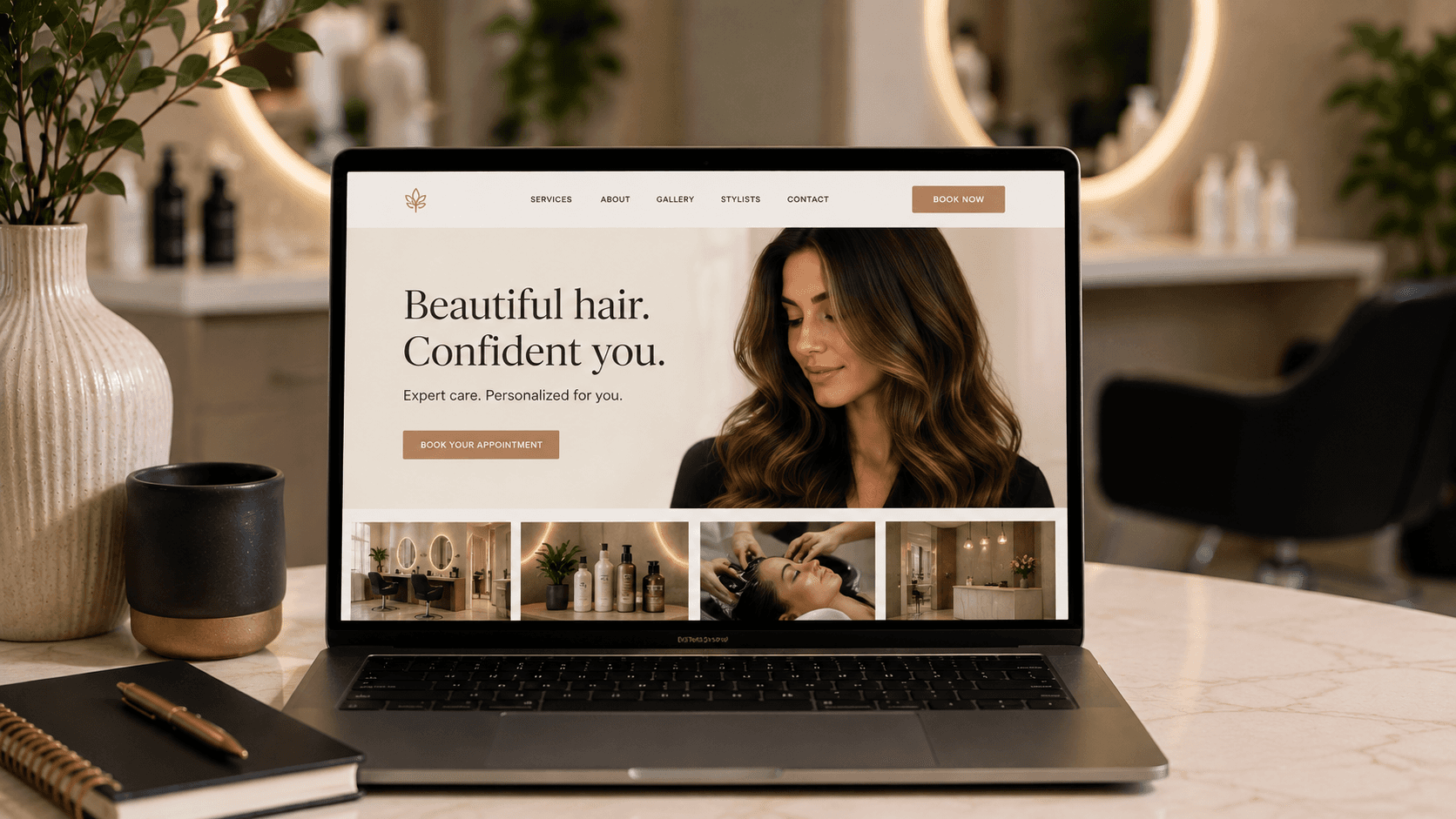
Salon Website Copywriting
Great salon websites do more than look beautiful. They explain what you do, who you help, why your salon feels different, and what someone should do next. That is where salon website copywriting makes the difference between a site that gets admired and a site that gets bookings.
If you run a hair salon, beauty salon, barbershop, spa, or clinic, your visitors are not only judging your photos. They are also scanning your words for signs of trust, fit, expertise, price clarity, and personality. The right website copy helps people feel, “Yes, this place is for me.”
This guide breaks down how to write salon website copy that is clear, conversion-focused, and easy to adapt to your brand. You will learn what to write on a salon website, how to make a stylist website stronger, how to start website copywriting without sounding generic, and what beauty copywriting really needs to do to win more clients.
Why salon website copy matters more than most salon owners think
Many salon websites rely heavily on visuals. Strong imagery matters, but photos alone rarely answer the questions that lead to bookings. A visitor still wants to know whether your salon matches their style, budget, expectations, and comfort level.
Good salon website copywriting closes that gap. It helps you explain your services in plain language, show the benefits behind each treatment, communicate your salon atmosphere, and guide visitors toward a clear next step. Without that clarity, even a beautiful site can feel vague.
Strong copy also improves discoverability. Search engines need text to understand what your website is about. If your pages clearly describe your services, audience, and expertise, your site has a better chance of appearing for relevant searches. That makes website copy both a conversion tool and a visibility tool, especially when it supports local SEO for salons.
What salon website visitors want to understand before they book
Before someone books, they are usually trying to reduce uncertainty. Your copy should answer the questions behind that hesitation quickly and naturally.
What services do you offer?
Who are those services best for?
What result can the client expect?
What makes your salon different from other options nearby?
Who will they be working with?
How do they book, and what happens next?
When your copy addresses these points clearly, your website starts doing real sales work. It reduces friction, builds trust, and makes the booking decision feel easier.
How to start website copywriting for a salon
If you are wondering how to start website copywriting, begin with strategy before wording. Many salon websites sound generic because they jump straight into writing lines like “we are passionate about beauty” or “we offer high-quality services.” Those phrases are common, but they do not create a reason to choose you.
Start with four basics:
Audience: Who do you most want to attract?
Offer: What services or specialties drive bookings?
Positioning: Why choose your salon instead of another one?
Voice: Should your brand sound luxurious, warm, edgy, clinical, playful, or minimalist?
Once these are clear, writing gets easier. You are no longer trying to sound impressive. You are trying to sound right for the people you want to attract.
Build your messaging around benefits, not just features
One of the biggest mistakes in salon website copywriting is focusing too much on features. Features are facts about what you use or offer. Benefits explain why that matters to the client.
For example, saying you use premium products, advanced color techniques, or a detailed consultation process is fine. But on its own, that information is incomplete. The client cares most about what those things mean for them: healthier hair, more predictable results, less damage, longer-lasting color, or more confidence in the final look.
This shift matters on nearly every page of a salon website. Service pages, homepage sections, and treatment descriptions become much stronger when they answer the unspoken question, “What do I get out of this?”
Feature | Benefit-focused version
|
|---|---|
We use premium color products | Enjoy richer color, better shine, and a healthier finish |
We offer advanced skin treatments | Target visible concerns with treatments tailored to your skin goals |
Detailed consultation included | Feel confident that your treatment is matched to your needs before you commit |
Experienced stylists | Get expert guidance and results that suit your hair, lifestyle, and preferences |
Avoid jargon and write the way clients think
Salon owners and stylists often know their craft so well that they write from the inside out. The problem is that clients do not always search or think in professional terminology. They are more likely to want help with outcomes than with technical explanations.
That does not mean your copy should sound simplistic. It means it should translate expertise into language that is easy to understand. If you mention a specific treatment, method, or technology, explain it in terms of the visible or practical result.
For example, instead of loading a page with treatment names and brand terms, explain who the service is for, what problem it helps with, what the experience feels like, and what kind of result someone can expect. Clear copy builds trust faster than complicated copy.
Use customer psychology, not just demographics
Good beauty copywriting goes beyond age, location, and budget. Demographics can help, but they rarely tell you how to write words that make someone feel understood. For that, you need to think about motivations, worries, and desired outcomes.
A salon client may want a haircut, but the deeper reason might be wanting to feel polished for a new job, low-maintenance for a busy schedule, more confident after a difficult period, or more aligned with their personal style. Those emotional layers shape stronger website copy than surface-level descriptions alone.
Ask questions like these when planning your messaging:
What is your ideal client tired of?
What are they hoping will be different after the appointment?
What makes them nervous about choosing a new salon?
What kind of salon experience do they value most?
What words would they use to describe their goal?
The more clearly you understand those answers, the easier it is to write copy that feels relevant instead of generic.
How to create a website for a beauty salon that actually converts
If you are asking how to create a website for a beauty salon, the structure matters as much as the design. A high-converting salon website usually gives visitors a clear path from interest to action. That means every main page should have a job.
Homepage
Your homepage should quickly explain what you offer, who it is for, and why people choose you. This is not the place for vague slogans that could fit any salon. Aim for clarity first, then style.
Service pages
Each key service or category should have its own page with clear descriptions, benefits, ideal client fit, and a booking path. This helps both SEO and decision-making.
About page
Your About page should build trust and help visitors understand your salon personality, values, and experience. It should feel human, not corporate.
Team or stylist bios
These help people feel more comfortable before they ever step inside. A strong bio can create familiarity and reduce booking hesitation.
FAQ page
FAQs reduce friction around common concerns like pricing, cancellations, patch tests, appointment timing, and new-client expectations.
Contact or booking page
This page should make the next step obvious. Include booking options, what to expect, and any useful guidance for first-time clients.
What to write on a salon website page by page
If you are stuck on what to write on a salon website, use this practical breakdown.
Homepage copy
A clear headline that says what you do and who you help
A short supporting paragraph with your positioning
Featured services or specialties
Why clients choose your salon
A simple call to action
Service page copy
What the service is
Who it is best for
Main benefits and outcomes
What the appointment may involve
Any useful prep or aftercare information
Booking CTA
About page copy
Your story or approach
Your values and salon experience
What type of clients you serve best
What makes your environment feel different
Stylist bio copy
Name and role
Specialties
Approach or personality
Ideal client fit
A human detail that makes the bio memorable
The About page is often the most underrated conversion page
For many salons, the About page gets real traffic because people want reassurance before booking. They may like your photos and service menu, but they still want to know who is behind the brand and whether your salon feels like the right fit.
This page should not read like a résumé pasted onto a website. It should connect your experience and philosophy to the client experience. Why does your salon exist, what do you care about, and what can someone expect when they choose you?
This is also the right place to communicate your atmosphere more clearly. Are you known for calm luxury, creative transformations, lived-in hair, modern skin treatments, or a welcoming space for clients who have felt overlooked elsewhere? Those signals matter.
When written well, the About page helps visitors picture themselves in your salon. That emotional fit can be the final push toward a booking.
How to make a stylist website feel personal and persuasive
If you want to know how to make a stylist website stronger, start by removing generic language and adding more specificity. Clients do not want to book with a faceless business. They want to feel they are choosing a person or team they can trust.
A stylist website works best when it combines expertise with personality. That does not mean oversharing. It means writing in a way that helps a potential client decide whether your style, communication, and specialties match what they need.
Good stylist website copy often includes:
Your signature services or strongest specialties
The type of client you love working with
Your approach to consultations and recommendations
Your style point of view
A booking invitation that feels natural and low-friction
Even a short bio can do a lot of work when it sounds grounded, clear, and client-aware.
Storytelling helps salon copy connect faster
One of the strongest patterns in high-performing salon content is storytelling. Not storytelling in the sense of writing long dramatic paragraphs, but in the sense of placing the client inside a journey. They have a problem, a frustration, a goal, or a desired transformation. Your salon helps guide them there.
This approach is more persuasive than simply listing credentials. Expertise still matters, but people often book because they feel understood. Website copy becomes stronger when it reflects the before-and-after reality clients care about.
For example, instead of saying a treatment uses advanced techniques, you might frame it around the client who wants smoother mornings, healthier-looking hair, or a skin plan that finally feels tailored to them. That shift makes your message more human and more memorable.
You can apply light storytelling to:
Homepage hero sections
Service introductions
About page sections
Stylist bios
Booking page reassurance copy
Salon website copywriting examples by section
These short examples show the difference between vague copy and clearer, conversion-focused website copy.
Homepage headline example
Weak: Welcome to our salon
Stronger: Modern hair color and cuts tailored to your style, schedule, and hair goals
Service description example
Weak: We offer advanced balayage using premium products
Stronger: Get dimensional, lower-maintenance color designed to grow out beautifully between appointments
About section example
Weak: We are passionate about making clients feel beautiful
Stronger: We created a salon experience that combines expert results with honest guidance, so you leave with a look that fits your real life, not just the photo you brought in
Stylist bio example
Weak: Sarah is an experienced stylist who loves hair
Stronger: Sarah specializes in soft blonding and lived-in color for clients who want bright, natural-looking results without high-maintenance upkeep
How beauty copywriting supports both SEO and bookings
Some salon owners separate SEO from conversion, but on a well-written site they support each other. Beauty copywriting that clearly explains services, results, and target audiences helps search engines understand your pages and helps visitors decide whether to book.
This usually means creating focused pages for meaningful services rather than stuffing everything onto one page. It also means using natural language people actually search for, such as haircut, balayage, facial, brow shaping, color correction, or skin treatment, while still keeping the copy readable and brand-aligned.
SEO-friendly salon copy is not about cramming in keywords. It is about matching real search intent with useful page content. If someone lands on a service page, they should immediately find the information they expected from the search result.
Where salon websites often lose bookings
Even attractive salon websites can underperform when the copy creates friction. These are common issues:
Unclear headlines that do not explain the offer
Too much focus on the salon and not enough on client outcomes
Heavy use of jargon or brand names without explanation
Thin service pages with no real decision-making help
Weak stylist bios that do not create connection
No guidance for first-time clients
Calls to action that are vague or easy to miss
Fixing these issues usually does not require more words everywhere. It requires better words in the places that matter most.
Clear calls to action make copy perform better
Every important page should make the next step obvious. After reading your copy, a visitor should not have to guess what to do. Your call to action can be simple, but it should be specific and relevant to the page.
Examples include:
Book your appointment
View services and pricing
Meet the team
Start with a consultation
Find the right stylist for you
The best CTA depends on where the visitor is in the decision process. Someone on the homepage may want to explore. Someone on a service page may be ready to book. Someone on a stylist bio may want to choose a provider first. Following online booking conversion best practices can help make those next steps more effective.
FAQ
What is salon website copywriting?
Salon website copywriting is the writing used on a salon website to explain services, build trust, communicate brand personality, support SEO, and encourage bookings. It includes homepage copy, service pages, About pages, stylist bios, FAQs, and calls to action.
What is a beauty copywriter?
A beauty copywriter is a writer who creates marketing and website content for beauty-related businesses such as salons, spas, clinics, skincare brands, and barbershops. Their job is to turn treatments, products, and brand positioning into clear, persuasive messaging.
How long should salon website copy be?
It should be long enough to help someone make a decision, but not padded. Homepage copy is usually shorter and sharper. Service pages often need more detail because they support both SEO and conversion. The right length depends on the intent of the page.
Should every salon service have its own page?
Not always every single minor service, but your main revenue-driving or search-worthy services should usually have dedicated pages. This helps visitors find relevant information faster and gives search engines clearer page topics.
How do I make my salon website sound less generic?
Be more specific about who you help, what results you are known for, how your process works, and what your salon experience feels like. Avoid empty phrases that could apply to any salon, and write from the client’s point of view.
Can AI help write salon website copy?
Yes, AI can help speed up drafting, organizing ideas, and improving clarity. But it works best when you give it real brand input, service details, audience insight, and examples of your tone. AI should support your voice, not replace it.
What should be on a stylist website?
A stylist website should clearly show specialties, services, ideal client fit, bio, booking information, and examples of work. The strongest stylist websites also make the experience feel personal and easy to trust.
How does salon copywriting connect to retention after the booking?
Good copy sets expectations clearly and attracts better-fit clients, which can improve the client experience from the start. For salons focused on retention, strong website messaging can work alongside loyalty and re-engagement strategies. Platforms like Authic help salons support retention through branded loyalty experiences, rewards, referrals, and client engagement after the first visit.
16 min
FAQ
Frequently asked questions
Everything you need to know about launching your loyalty app. Can't find what you're looking for?
What does Authic actually do?
Authic gives you your own branded loyalty app fully tailored to your business. Your customers join by downloading your loyalty app, where they can earn points, claim rewards, and stay connected. We handle the tech behind the scenes so you can focus on your customers.
What does white-label really mean?
How quickly can we launch?
How do customers get the app?
Is it easy to manage?
What kind of customer data do I get?
Can it connect to my existing systems?
FAQ
Frequently asked questions
Everything you need to know about launching your loyalty app. Can't find what you're looking for?
What does Authic actually do?
Authic gives you your own branded loyalty app fully tailored to your business. Your customers join by downloading your loyalty app, where they can earn points, claim rewards, and stay connected. We handle the tech behind the scenes so you can focus on your customers.
What does white-label really mean?
How quickly can we launch?
How do customers get the app?
Is it easy to manage?
What kind of customer data do I get?
Can it connect to my existing systems?
FAQ
Frequently asked questions
Everything you need to know about launching your loyalty app. Can't find what you're looking for?
What does Authic actually do?
Authic gives you your own branded loyalty app fully tailored to your business. Your customers join by downloading your loyalty app, where they can earn points, claim rewards, and stay connected. We handle the tech behind the scenes so you can focus on your customers.
What does white-label really mean?
How quickly can we launch?
How do customers get the app?
Is it easy to manage?
What kind of customer data do I get?
Can it connect to my existing systems?
NEWSLETTER
Get loyalty insights delivered weekly
Join 5000+ business owners getting actionable tips to boost customer retention and grow their business
Loyalty tips and strategies
Early access to new features
Exclusive discounts and offers

Join 5,000+ subscribers

Launch your own loyalty app. Reward customers, track visits, and boost retention.


Industries
Loyalty Toolkit
Loyalty Toolkit
© 2026 Authic Labs
Launch your own loyalty app. Reward customers, track visits, and boost retention.
Loyalty Toolkit
Loyalty Toolkit
© 2026 Authic Labs
Launch your own loyalty app. Reward customers, track visits, and boost retention.
Industries
Loyalty Toolkit
Loyalty Toolkit
© 2026 Authic Labs
BLOG
The latest news on customer loyalty
80/20 Rule for Padel Club Loyalty
The 80/20 rule for padel club loyalty is simple: a relatively small share of your players often generates a large share of your repeat bookings, spend, referrals, and club energy. If you run a padel club, this idea helps you stop treating every member exactly the same and start building loyalty around actual player value. Used well, the 80 20 rule for padel club loyalty can improve retention, increase off-peak usage, and make your rewards budget work harder without turning your program into a discount machine.
For most clubs, the goal is not to ignore casual players. It is to recognize that different segments need different incentives. Your most valuable players may respond best to status, convenience, early access, and exclusive benefits, while newer or lower-frequency players may need simple challenges, starter rewards, and booking nudges. The key is to validate the pattern with your own data, then design a loyalty setup that reflects how your club actually grows.
What the 80/20 rule means in a padel club
In loyalty terms, the 80/20 rule means that around 20% of your players may account for around 80% of the commercial impact that matters most to your club. That impact can include repeat court bookings, coaching purchases, event participation, on-site spending, referrals, and check-in frequency. The exact ratio will not always be 80 and 20, but the principle is useful because it highlights concentration of value.
For a padel club, this matters because loyalty is not just about handing out points. It is about identifying which player behaviors move revenue and retention, then rewarding those behaviors in a way that keeps your best customers engaged while also helping other players progress. A strong loyalty strategy turns player data into practical actions such as tiers, VIP perks, booster campaigns, and targeted notifications.
Why this rule matters for loyalty, not just revenue
Many clubs think about the 80/20 principle only in terms of sales, but it is just as relevant for retention and community health. Your most valuable players often do more than spend money. They book more often, bring friends, join leagues, fill classes, create atmosphere, and become visible advocates for the club. If they disengage, the effect is bigger than one lost booking.
That is why the 80/20 rule for padel club loyalty should be used to protect and grow your highest-value relationships. Loyalty mechanics can help you do that by giving frequent players a reason to stay active, return faster, and deepen their connection with your club. At the same time, you can use lower-friction rewards and challenges to move occasional players into more valuable behaviors over time.
How to identify your top 20% players
Before you build tiers or VIP rewards, you need to know who your high-value players really are. That means looking beyond a single metric. A player who books often but only at low-margin times may be valuable in a different way than a player who spends on coaching, events, and shop purchases. The best approach is to combine several signals and rank players accordingly.
Booking frequency - how often they reserve courts or sessions
Total spend - including bookings, coaching, events, food, drinks, or retail
Recency - how recently they visited or booked
Referral activity - whether they bring in new players
Off-peak engagement - whether they help fill quieter hours
Program participation - whether they complete challenges, redeem rewards, or engage with club offers
If you have access to analytics through your loyalty platform or connected systems, create a simple value score. Then compare the top segment against the rest of your member base. In many clubs, you will quickly see that a small group is responsible for a disproportionate amount of engagement and revenue.
Which loyalty metrics matter most for padel clubs
Not every club should optimize for the same outcome. A high-volume urban club may care most about repeat bookings and occupancy smoothing, while a community-led club may prioritize retention, league participation, and referrals. The 80/20 model only becomes useful when you define what value means for your operation.
Metric | Why it matters | What it can reveal
|
|---|---|---|
Repeat bookings | Shows loyalty and habit strength | Who returns consistently |
Visits per month | Tracks engagement level | Who is becoming a regular |
Total spend | Measures commercial value | Who drives revenue beyond court time |
Off-peak bookings | Helps fill unused capacity | Who responds to boosters and incentives |
Referrals | Supports acquisition through members | Who acts as an advocate |
Reward redemption | Shows program engagement | Which rewards actually motivate players |
How to apply the 80/20 rule to your loyalty design
Once you know which players drive the most value, the next step is to build a loyalty structure that reflects that reality. This does not mean giving the top 20% endless discounts. In fact, discount-led loyalty often erodes margin and trains players to wait for deals. A better approach is to combine recognition, exclusivity, convenience, and targeted incentives.
Use tiers to reward high-value behavior
Tiers are one of the clearest ways to apply the 80/20 rule for padel club loyalty. Players earn access to better benefits based on the behaviors your club wants more of, such as sessions played, spend, check-ins, or referrals. This helps you recognize your top segment without manually managing perks.
Examples of tier benefits include priority booking windows, early access to events, members-only mixers, guest passes, free match recordings, or bonus points on selected activities. The best benefits feel valuable to the player but remain commercially sensible for the club. If you want to build this approach further, a tiered loyalty program can help turn these high-value behaviors into clear progression.
Use VIP benefits instead of over-discounting
High-value players often care more about status and convenience than small price cuts. VIP cards, exclusive access, or fast-track perks can create a stronger emotional connection than generic discounts. This is especially useful in padel, where belonging and social identity are part of the experience.
Examples include reserved event access, locker or lounge perks, birthday benefits, priority registration for leagues, or bonus invitations for bringing guests. These rewards support loyalty without reducing price integrity across your full member base.
Use challenges to move the next segment upward
The top 20% deserves attention, but the next most promising segment is where growth often happens. Challenges can help occasional players become regulars by making progress visible and rewarding simple milestones. Think of a four-visit challenge, an off-peak streak, a beginner-to-intermediate ladder, or a referral mission tied to a club event.
This creates a bridge between broad participation and top-tier loyalty. Rather than only rewarding your current best players, you create a system that helps more players climb into that group.
Practical examples of 80/20 loyalty mechanics for padel clubs
Below are loyalty mechanics that fit the way padel clubs operate and align well with an 80/20 strategy.
Session-based tiers - players unlock levels after a set number of monthly or quarterly bookings
Off-peak boosters - extra points or rewards for bookings during quieter hours
Referral rewards - benefits when members bring in first-time players
VIP cards - premium perks for top-value players or members at higher tiers
Win-back automations - targeted nudges when a previously active player has not booked recently
Event loyalty - rewards for league participation, socials, or club tournaments
Platforms like Authic support this kind of setup through features such as membership tiers, VIP cards, notifications, challenges, analytics, and no-code campaign building. That makes it easier for clubs to test segment-based loyalty without needing custom development.
A simple segment model you can use
If your club is just getting started, keep segmentation practical. You do not need an advanced data science model to make the 80 20 rule for padel club loyalty useful. Start with three groups and give each a different loyalty objective.
Segment | Typical behavior | Loyalty objective
|
|---|---|---|
Top-value players | Frequent bookings, high spend, strong retention | Retain, recognize, and deepen loyalty |
Growth players | Moderate activity, good potential | Increase frequency and move into higher tiers |
Casual or at-risk players | Infrequent visits or long gaps | Re-engage with simple offers and low-friction rewards |
This approach keeps your program focused. Instead of broadcasting the same message to every player, you align rewards and communication with behavior.
How to avoid common mistakes with the 80/20 rule
The biggest mistake is using the rule as a shortcut instead of a starting point. Not every club has the same player mix, and not every high-spend member is equally loyal. You need to validate assumptions with your own data and review them regularly.
Do not assume the ratio is exact - your split may be 70/30 or 85/15
Do not reward only spend - referrals, off-peak bookings, and engagement can matter too
Do not over-discount top players - use recognition and access where possible
Do not ignore the middle segment - this group often offers the best growth potential
Do not run loyalty without measurement - track whether rewards change real behavior
How to measure whether your 80/20 loyalty strategy is working
A loyalty strategy is only useful if it improves business outcomes. For padel clubs, that usually means monitoring retention, repeat booking frequency, redemptions, off-peak utilization, average spend, and referral activity. Compare player behavior before and after campaigns, and review performance by segment rather than only at total-program level.
For example, if your top-value players are already highly active, success may look like reduced churn rather than a huge increase in bookings. If you target your middle segment with challenges or boosters, success may look like more monthly visits or faster movement into a higher tier. This is where analytics and connected booking data become especially valuable. To go deeper, track the right customer loyalty KPIs and use them to evaluate each segment properly.
When the 80/20 rule is most useful for a padel club
This framework is especially helpful when your club wants to grow repeat bookings without relying on constant promotions, improve member retention, fill quieter hours, or create a more structured VIP experience. It is also useful if your current loyalty setup feels too generic and you suspect your best players are not being recognized properly.
If you already collect data on bookings, check-ins, purchases, or campaign engagement, you are in a strong position to apply the rule. If you do not, start by tracking a few core behaviors consistently before adding more complex logic.
FAQ about the 80/20 rule for padel club loyalty
What is the 80/20 rule for padel club loyalty?
It is the idea that a smaller group of players often creates a larger share of bookings, spend, referrals, or retention value. Clubs use this insight to target rewards, tiers, and campaigns more effectively.
Is the 80/20 rule always exact in a padel club?
No. It is a guiding principle, not a fixed law. Your club may find that 15% of players drive 70% of value, or that 30% drive 75%. The point is to identify concentration of value and act on it.
Should a padel club only reward its top 20% players?
No. Your top players should be recognized, but your loyalty program should also help occasional players increase their activity. Good loyalty design supports both retention and progression. There are many practical ways to improve padel club loyalty beyond segmenting your highest-value members.
What rewards work best for high-value padel players?
Benefits that feel exclusive or convenient often work well, such as priority booking, event access, VIP perks, guest passes, and tier-based status. These can be more effective than repeated discounts.
How can you find your most valuable padel players?
Look at a mix of booking frequency, total spend, recency, referrals, check-ins, and participation in club activities. A simple ranking model is often enough to identify your top segment.
Can the 80/20 rule help increase off-peak bookings?
Yes. You can use boosters, bonus points, and targeted offers to encourage valuable players and growth segments to book during quieter hours, improving court utilization.
What is the golden rule in padel?
In sport terms, people often use this to mean fair play, respect, and safety on court. In loyalty strategy, the closest equivalent is to reward the behaviors that make your club healthier, not just the transactions that are easiest to count.
What are the unwritten rules of padel?
Common unwritten rules include respecting court etiquette, communicating with your partner, and keeping the game social and enjoyable. For clubs, that social side is exactly why loyalty can work so well when it rewards participation and community behavior.
What are the new padel rules for 2026?
Official game rules can change by federation or competition context, so clubs should always check the latest governing body updates. These sport rules are separate from the 80/20 rule, which is a loyalty and business principle.
What happens at 40-40 in padel?
At 40-40, the game reaches deuce unless a no-ad format is being used. This scoring rule is unrelated to the 80/20 rule for padel club loyalty, but it is a common search question because both topics include numbers and the word rule.
7 min
5-5-5 Rule for Padel Club Social Media
The 5-5-5 rule for padel club social media is a simple way to keep your content balanced, relevant, and useful for your audience. If your club only posts promotions, people tune out. If you only post fun content, you may get likes but not bookings. The strength of the 5-5-5 approach is that it gives you a clear framework: mix community content, educational content, and conversion-focused content in equal parts so your social channels support both engagement and revenue.
For padel clubs, that balance matters. You are not just trying to grow followers. You want to fill courts, increase repeat play, promote events, strengthen member loyalty, and keep your club visible in a crowded local market. Done well, the 5 5 5 rule for padel club social media helps you post with purpose instead of guessing what to share each week.
What is the 5-5-5 rule for padel club social media?
The 5-5-5 rule is a content planning model built around three equal buckets of social media content. For a padel club, this usually means:
5 posts focused on community and club culture
5 posts focused on education, tips, and value
5 posts focused on offers, bookings, events, or actions you want people to take
The exact format can vary, but the principle stays the same: do not rely on one type of content. A healthy padel social strategy needs visibility, trust, and conversion. The 5-5-5 rule gives each of those a place in your content mix.
This makes it especially useful for clubs that post regularly but feel inconsistent. Instead of asking, “What should we post today?”, you work from a repeatable structure that covers what your audience needs to see before they book, join, or come back.
Why the 5-5-5 rule works for padel clubs
Padel clubs are highly visual, community-driven businesses. People do not just buy court time. They buy atmosphere, level-based play, social connection, convenience, and a sense of belonging. Your social media should reflect that.
The 5-5-5 rule works because it supports the full customer journey:
Community posts help people feel connected to your club
Educational posts help newer and existing players get more value from the sport
Conversion posts give people a clear next step, such as booking a court or joining an event
It also prevents a common mistake: posting only when you have something to sell. Most followers will not be ready to act every time they see your content. But if your feed consistently shows energy, expertise, and relevance, your club stays top of mind when they are ready to play.
How to structure the 5-5-5 content mix
5 community posts
Community content shows what your club feels like. It builds familiarity and makes your venue more than just a place to book a court.
Player spotlights
Team or coach introductions
Photos or short clips from league nights
Member milestones or challenge winners
Behind-the-scenes content from your club
These posts are useful because they create social proof without sounding too promotional. They show real people enjoying your club, which helps both retention and local discovery.
5 educational posts
Educational content gives followers a reason to keep watching even when they are not ready to book. It also positions your club as helpful and credible.
Padel technique tips
Beginner mistakes to avoid
Match tactics for doubles play
Equipment advice for different player levels
Rules explained in a simple way
This category is also a strong answer to search intent around padel rules and common questions. People often search things like what is the golden rule in padel, what is the 45 rule in padel, or what are the new padel rules for 2026. That same curiosity can inform your social content.
5 conversion posts
Conversion content is where you ask for action. These posts should still be useful and clear, but their main purpose is to drive a result.
Book a court this weekend
Join a beginner clinic
Register for a local tournament
Claim an off-peak offer
Refer a friend and unlock a reward
For clubs using a loyalty platform, this category can go further than standard promotions. You can connect social activity to bookings, referrals, event participation, or rewards, turning engagement into measurable club growth.
Example of the 5-5-5 rule in a monthly padel club content plan
If you post 15 times per month, the model is straightforward. You plan 5 posts in each category. This gives you consistency without making your feed repetitive.
Sample monthly content breakdown
Week 1: player spotlight, backhand tip, book a weekend court
Week 2: event recap, beginner rules post, sign up for social mix-in
Week 3: coach introduction, tactical positioning tip, promote off-peak bookings
Week 4: member challenge update, equipment advice, push last spots for a tournament
Extra posts: behind the scenes, FAQ-style reel, referral or loyalty campaign
This kind of structure helps your team produce content faster because each post has a role. It also makes performance easier to review. If one content bucket is underperforming, you can improve the message without losing the overall balance.
What to post in each category without sounding repetitive
The biggest risk with any content framework is creating the same post over and over. The fix is to vary the angle, format, and purpose inside each bucket.
Ideas for community content
Short interview with a regular member
Photo carousel from club night
Coach match-day routine
New court opening or venue update
Birthday, milestone, or challenge celebration
Ideas for educational content
One tactical tip for winning more points at the net
A simple explanation of scoring
What happens in padel if the score is 5'5" and how tie-break formats work in your competition
Warm-up routine before a match
How to choose the right racket balance
Ideas for conversion content
Midweek booking reminder
Last available places for a clinic
Referral reward campaign
Loyalty challenge linked to bookings or social actions
Season pass or membership call to action
How the 5-5-5 rule supports bookings and loyalty
For a padel club, social media should not operate in isolation. The best results come when content connects to real club actions like bookings, repeat visits, event participation, and referrals.
That is where the 5-5-5 rule becomes more than a posting formula. Community content increases emotional connection. Educational content reduces uncertainty and gives players confidence. Conversion content creates the trigger to act. Together, they move people from passive follower to active player.
If your club uses loyalty mechanics, you can reinforce this even more. For example, a social post can promote a challenge where members earn rewards for booking during off-peak hours, joining an event, referring a friend, or completing a streak. In that setup, social media becomes a growth channel tied to measurable behaviour, not just reach.
5-5-5 rule vs 70-20-10 for padel club social media
Some clubs may also know the 70-20-10 rule for padel club social media. Both frameworks aim to create balance, but they do it in different ways.
The 70-20-10 rule usually divides content into larger percentages, with the majority focused on value and engagement, a smaller part on shared or supporting content, and a smaller part on direct promotion. The 5-5-5 rule is simpler and easier to execute because it gives you an even split and a fixed number of content pieces.
Choose the 5-5-5 rule if you want a practical planning system your team can apply right away. Choose a percentage-based model if you already have a strong content operation and want more flexibility. For many local clubs, the simplicity of 5-5-5 makes it easier to stay consistent.
Common mistakes when using the 5 5 5 rule for padel club social media
Making all 5 conversion posts feel like ads
Posting educational content that is too technical for your audience
Forgetting to show real people and real club moments
Using the same design and caption style every time
Not linking social activity to bookings, events, or loyalty goals
The rule only works when the content feels native to social media and relevant to your audience. A good conversion post still needs a clear benefit. A good educational post should be easy to understand. A good community post should feel genuine, not staged.
How to measure whether the 5-5-5 rule is working
Do not judge the whole strategy by likes alone. Each content bucket should be measured against the outcome it is designed to support.
Community posts: reach, shares, comments, profile visits
Educational posts: saves, watch time, replies, repeat engagement
Conversion posts: clicks, bookings, registrations, referrals
When possible, connect these metrics to business results. For example, if a post promotes an event, track registrations. If a campaign encourages social follows or friend referrals, track participation and repeat bookings. This is where a loyalty and engagement system can make your social media more accountable.
When the 5-5-5 rule is the right choice for your club
The 5-5-5 rule is a strong fit if your padel club wants a social media system that is easy to repeat, easy to delegate, and tied to practical outcomes. It works especially well if you struggle with one of these problems:
You post inconsistently
Your feed is too promotional
You get engagement but not enough bookings
You have no clear content planning structure
You want to connect content with loyalty or retention goals
It is not a magic formula, but it is a useful operating model. For busy club owners and marketing teams, that kind of clarity is often what turns social media from a time drain into a growth channel.
FAQ about the 5-5-5 rule for padel club social media
What is the 5-5-5 rule for padel club social media?
It is a content framework that splits your social posts into three equal groups: 5 community posts, 5 educational posts, and 5 conversion posts. The goal is to keep your content balanced so it supports both engagement and bookings.
How many times should a padel club post each month using the 5-5-5 rule?
A common version uses 15 posts per month, with 5 posts in each category. You can scale that up or down, as long as the balance stays intact.
Does the 5 5 5 rule for padel club social media help generate bookings?
Yes, if your conversion posts include clear offers and calls to action, and if your community and educational posts build enough trust to make people act. The rule works best when social content is linked to booking pages, events, and loyalty campaigns. Clubs that want to drive traffic from posts to action pages should also review padel club landing pages that convert.
What is the difference between the 5-5-5 rule and the 70-20-10 rule?
The 5-5-5 rule is a simpler, equal-split framework. The 70-20-10 rule uses percentages and is often more flexible. For many padel clubs, 5-5-5 is easier to plan and execute consistently.
Should every padel club use the same 5-5-5 content categories?
No. The structure should stay balanced, but the exact topics should match your audience. A beginner-focused club may lean into educational basics, while a competitive club may post more tactical content and tournament-driven promotions.
Can the 5-5-5 rule be combined with loyalty marketing?
Yes. This is often where the model becomes more effective. Community content builds connection, educational content builds trust, and conversion content can promote loyalty actions such as referrals, booking streaks, event participation, or off-peak rewards.
What is the golden rule in padel?
People may use this phrase in different ways, but in content terms the real golden rule is clarity. Your club should explain rules, scoring, and formats simply, because many players are still learning. That makes educational content highly valuable on social media.
What happens in padel if the score is 5'5"?
In standard scoring, 5-5 means both sides have won five games in the set. From there, the set usually continues until one side wins 7-5, or a tie-break is played at 6-6 depending on the format. Clubs should always explain their local competition format clearly in social posts and event promotions.
What is the 45 rule in padel?
This question often comes from confusion around scoring or local match formats. It is best to explain any competition-specific rule directly in your club content, especially if your events, ladders, or leagues use formats that newer players may not know.
What are the new padel rules for 2026?
Rule updates can vary by federation, event type, or local competition format. If your club communicates about rules on social media, always reference the governing body or your own event format clearly so players know what applies to them.
9 min
Salon Website Copywriting
Great salon websites do more than look beautiful. They explain what you do, who you help, why your salon feels different, and what someone should do next. That is where salon website copywriting makes the difference between a site that gets admired and a site that gets bookings.
If you run a hair salon, beauty salon, barbershop, spa, or clinic, your visitors are not only judging your photos. They are also scanning your words for signs of trust, fit, expertise, price clarity, and personality. The right website copy helps people feel, “Yes, this place is for me.”
This guide breaks down how to write salon website copy that is clear, conversion-focused, and easy to adapt to your brand. You will learn what to write on a salon website, how to make a stylist website stronger, how to start website copywriting without sounding generic, and what beauty copywriting really needs to do to win more clients.
Why salon website copy matters more than most salon owners think
Many salon websites rely heavily on visuals. Strong imagery matters, but photos alone rarely answer the questions that lead to bookings. A visitor still wants to know whether your salon matches their style, budget, expectations, and comfort level.
Good salon website copywriting closes that gap. It helps you explain your services in plain language, show the benefits behind each treatment, communicate your salon atmosphere, and guide visitors toward a clear next step. Without that clarity, even a beautiful site can feel vague.
Strong copy also improves discoverability. Search engines need text to understand what your website is about. If your pages clearly describe your services, audience, and expertise, your site has a better chance of appearing for relevant searches. That makes website copy both a conversion tool and a visibility tool, especially when it supports local SEO for salons.
What salon website visitors want to understand before they book
Before someone books, they are usually trying to reduce uncertainty. Your copy should answer the questions behind that hesitation quickly and naturally.
What services do you offer?
Who are those services best for?
What result can the client expect?
What makes your salon different from other options nearby?
Who will they be working with?
How do they book, and what happens next?
When your copy addresses these points clearly, your website starts doing real sales work. It reduces friction, builds trust, and makes the booking decision feel easier.
How to start website copywriting for a salon
If you are wondering how to start website copywriting, begin with strategy before wording. Many salon websites sound generic because they jump straight into writing lines like “we are passionate about beauty” or “we offer high-quality services.” Those phrases are common, but they do not create a reason to choose you.
Start with four basics:
Audience: Who do you most want to attract?
Offer: What services or specialties drive bookings?
Positioning: Why choose your salon instead of another one?
Voice: Should your brand sound luxurious, warm, edgy, clinical, playful, or minimalist?
Once these are clear, writing gets easier. You are no longer trying to sound impressive. You are trying to sound right for the people you want to attract.
Build your messaging around benefits, not just features
One of the biggest mistakes in salon website copywriting is focusing too much on features. Features are facts about what you use or offer. Benefits explain why that matters to the client.
For example, saying you use premium products, advanced color techniques, or a detailed consultation process is fine. But on its own, that information is incomplete. The client cares most about what those things mean for them: healthier hair, more predictable results, less damage, longer-lasting color, or more confidence in the final look.
This shift matters on nearly every page of a salon website. Service pages, homepage sections, and treatment descriptions become much stronger when they answer the unspoken question, “What do I get out of this?”
Feature | Benefit-focused version
|
|---|---|
We use premium color products | Enjoy richer color, better shine, and a healthier finish |
We offer advanced skin treatments | Target visible concerns with treatments tailored to your skin goals |
Detailed consultation included | Feel confident that your treatment is matched to your needs before you commit |
Experienced stylists | Get expert guidance and results that suit your hair, lifestyle, and preferences |
Avoid jargon and write the way clients think
Salon owners and stylists often know their craft so well that they write from the inside out. The problem is that clients do not always search or think in professional terminology. They are more likely to want help with outcomes than with technical explanations.
That does not mean your copy should sound simplistic. It means it should translate expertise into language that is easy to understand. If you mention a specific treatment, method, or technology, explain it in terms of the visible or practical result.
For example, instead of loading a page with treatment names and brand terms, explain who the service is for, what problem it helps with, what the experience feels like, and what kind of result someone can expect. Clear copy builds trust faster than complicated copy.
Use customer psychology, not just demographics
Good beauty copywriting goes beyond age, location, and budget. Demographics can help, but they rarely tell you how to write words that make someone feel understood. For that, you need to think about motivations, worries, and desired outcomes.
A salon client may want a haircut, but the deeper reason might be wanting to feel polished for a new job, low-maintenance for a busy schedule, more confident after a difficult period, or more aligned with their personal style. Those emotional layers shape stronger website copy than surface-level descriptions alone.
Ask questions like these when planning your messaging:
What is your ideal client tired of?
What are they hoping will be different after the appointment?
What makes them nervous about choosing a new salon?
What kind of salon experience do they value most?
What words would they use to describe their goal?
The more clearly you understand those answers, the easier it is to write copy that feels relevant instead of generic.
How to create a website for a beauty salon that actually converts
If you are asking how to create a website for a beauty salon, the structure matters as much as the design. A high-converting salon website usually gives visitors a clear path from interest to action. That means every main page should have a job.
Homepage
Your homepage should quickly explain what you offer, who it is for, and why people choose you. This is not the place for vague slogans that could fit any salon. Aim for clarity first, then style.
Service pages
Each key service or category should have its own page with clear descriptions, benefits, ideal client fit, and a booking path. This helps both SEO and decision-making.
About page
Your About page should build trust and help visitors understand your salon personality, values, and experience. It should feel human, not corporate.
Team or stylist bios
These help people feel more comfortable before they ever step inside. A strong bio can create familiarity and reduce booking hesitation.
FAQ page
FAQs reduce friction around common concerns like pricing, cancellations, patch tests, appointment timing, and new-client expectations.
Contact or booking page
This page should make the next step obvious. Include booking options, what to expect, and any useful guidance for first-time clients.
What to write on a salon website page by page
If you are stuck on what to write on a salon website, use this practical breakdown.
Homepage copy
A clear headline that says what you do and who you help
A short supporting paragraph with your positioning
Featured services or specialties
Why clients choose your salon
A simple call to action
Service page copy
What the service is
Who it is best for
Main benefits and outcomes
What the appointment may involve
Any useful prep or aftercare information
Booking CTA
About page copy
Your story or approach
Your values and salon experience
What type of clients you serve best
What makes your environment feel different
Stylist bio copy
Name and role
Specialties
Approach or personality
Ideal client fit
A human detail that makes the bio memorable
The About page is often the most underrated conversion page
For many salons, the About page gets real traffic because people want reassurance before booking. They may like your photos and service menu, but they still want to know who is behind the brand and whether your salon feels like the right fit.
This page should not read like a résumé pasted onto a website. It should connect your experience and philosophy to the client experience. Why does your salon exist, what do you care about, and what can someone expect when they choose you?
This is also the right place to communicate your atmosphere more clearly. Are you known for calm luxury, creative transformations, lived-in hair, modern skin treatments, or a welcoming space for clients who have felt overlooked elsewhere? Those signals matter.
When written well, the About page helps visitors picture themselves in your salon. That emotional fit can be the final push toward a booking.
How to make a stylist website feel personal and persuasive
If you want to know how to make a stylist website stronger, start by removing generic language and adding more specificity. Clients do not want to book with a faceless business. They want to feel they are choosing a person or team they can trust.
A stylist website works best when it combines expertise with personality. That does not mean oversharing. It means writing in a way that helps a potential client decide whether your style, communication, and specialties match what they need.
Good stylist website copy often includes:
Your signature services or strongest specialties
The type of client you love working with
Your approach to consultations and recommendations
Your style point of view
A booking invitation that feels natural and low-friction
Even a short bio can do a lot of work when it sounds grounded, clear, and client-aware.
Storytelling helps salon copy connect faster
One of the strongest patterns in high-performing salon content is storytelling. Not storytelling in the sense of writing long dramatic paragraphs, but in the sense of placing the client inside a journey. They have a problem, a frustration, a goal, or a desired transformation. Your salon helps guide them there.
This approach is more persuasive than simply listing credentials. Expertise still matters, but people often book because they feel understood. Website copy becomes stronger when it reflects the before-and-after reality clients care about.
For example, instead of saying a treatment uses advanced techniques, you might frame it around the client who wants smoother mornings, healthier-looking hair, or a skin plan that finally feels tailored to them. That shift makes your message more human and more memorable.
You can apply light storytelling to:
Homepage hero sections
Service introductions
About page sections
Stylist bios
Booking page reassurance copy
Salon website copywriting examples by section
These short examples show the difference between vague copy and clearer, conversion-focused website copy.
Homepage headline example
Weak: Welcome to our salon
Stronger: Modern hair color and cuts tailored to your style, schedule, and hair goals
Service description example
Weak: We offer advanced balayage using premium products
Stronger: Get dimensional, lower-maintenance color designed to grow out beautifully between appointments
About section example
Weak: We are passionate about making clients feel beautiful
Stronger: We created a salon experience that combines expert results with honest guidance, so you leave with a look that fits your real life, not just the photo you brought in
Stylist bio example
Weak: Sarah is an experienced stylist who loves hair
Stronger: Sarah specializes in soft blonding and lived-in color for clients who want bright, natural-looking results without high-maintenance upkeep
How beauty copywriting supports both SEO and bookings
Some salon owners separate SEO from conversion, but on a well-written site they support each other. Beauty copywriting that clearly explains services, results, and target audiences helps search engines understand your pages and helps visitors decide whether to book.
This usually means creating focused pages for meaningful services rather than stuffing everything onto one page. It also means using natural language people actually search for, such as haircut, balayage, facial, brow shaping, color correction, or skin treatment, while still keeping the copy readable and brand-aligned.
SEO-friendly salon copy is not about cramming in keywords. It is about matching real search intent with useful page content. If someone lands on a service page, they should immediately find the information they expected from the search result.
Where salon websites often lose bookings
Even attractive salon websites can underperform when the copy creates friction. These are common issues:
Unclear headlines that do not explain the offer
Too much focus on the salon and not enough on client outcomes
Heavy use of jargon or brand names without explanation
Thin service pages with no real decision-making help
Weak stylist bios that do not create connection
No guidance for first-time clients
Calls to action that are vague or easy to miss
Fixing these issues usually does not require more words everywhere. It requires better words in the places that matter most.
Clear calls to action make copy perform better
Every important page should make the next step obvious. After reading your copy, a visitor should not have to guess what to do. Your call to action can be simple, but it should be specific and relevant to the page.
Examples include:
Book your appointment
View services and pricing
Meet the team
Start with a consultation
Find the right stylist for you
The best CTA depends on where the visitor is in the decision process. Someone on the homepage may want to explore. Someone on a service page may be ready to book. Someone on a stylist bio may want to choose a provider first. Following online booking conversion best practices can help make those next steps more effective.
FAQ
What is salon website copywriting?
Salon website copywriting is the writing used on a salon website to explain services, build trust, communicate brand personality, support SEO, and encourage bookings. It includes homepage copy, service pages, About pages, stylist bios, FAQs, and calls to action.
What is a beauty copywriter?
A beauty copywriter is a writer who creates marketing and website content for beauty-related businesses such as salons, spas, clinics, skincare brands, and barbershops. Their job is to turn treatments, products, and brand positioning into clear, persuasive messaging.
How long should salon website copy be?
It should be long enough to help someone make a decision, but not padded. Homepage copy is usually shorter and sharper. Service pages often need more detail because they support both SEO and conversion. The right length depends on the intent of the page.
Should every salon service have its own page?
Not always every single minor service, but your main revenue-driving or search-worthy services should usually have dedicated pages. This helps visitors find relevant information faster and gives search engines clearer page topics.
How do I make my salon website sound less generic?
Be more specific about who you help, what results you are known for, how your process works, and what your salon experience feels like. Avoid empty phrases that could apply to any salon, and write from the client’s point of view.
Can AI help write salon website copy?
Yes, AI can help speed up drafting, organizing ideas, and improving clarity. But it works best when you give it real brand input, service details, audience insight, and examples of your tone. AI should support your voice, not replace it.
What should be on a stylist website?
A stylist website should clearly show specialties, services, ideal client fit, bio, booking information, and examples of work. The strongest stylist websites also make the experience feel personal and easy to trust.
How does salon copywriting connect to retention after the booking?
Good copy sets expectations clearly and attracts better-fit clients, which can improve the client experience from the start. For salons focused on retention, strong website messaging can work alongside loyalty and re-engagement strategies. Platforms like Authic help salons support retention through branded loyalty experiences, rewards, referrals, and client engagement after the first visit.
16 min
Customer loyalty is essential to building a sustainable business
Build brand awareness
Reach new clients with personalized offers, reminders, and engaging campaigns.
Retain more customers
Encourage repeat visits with rewards for bookings and ongoing participation.
Grow your customer base
Attract new clients through reviews, referrals, and social media incentives.
Understand client behavior
Track habits to refine services and enhance customer experiences.
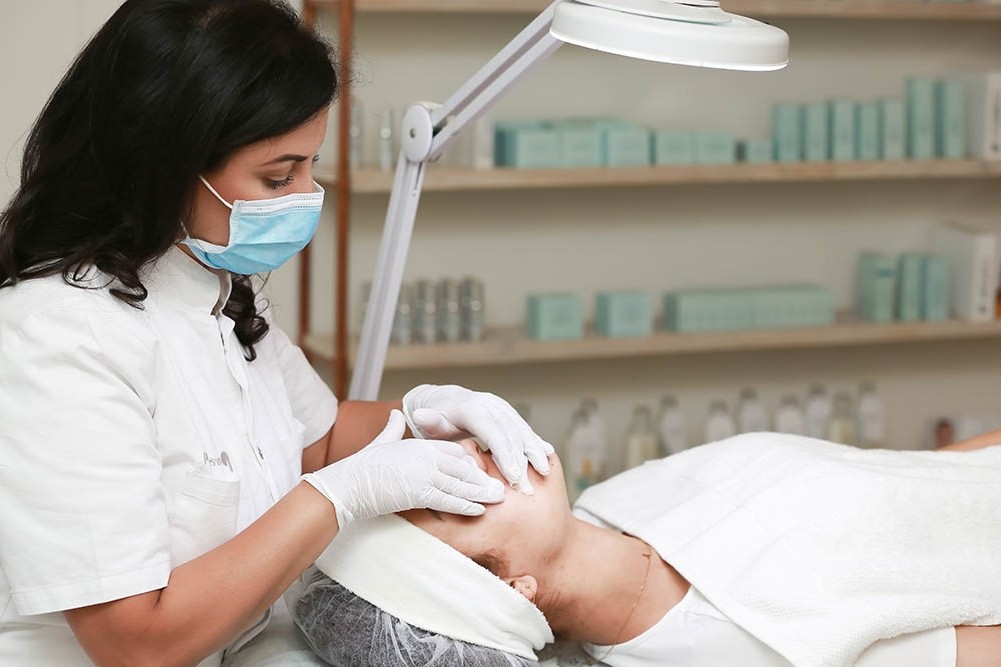
A partner who truly thinks along and delivers!
"For our SKINSIS Clinic, we wanted an app developed that met our needs. Authic delivered perfectly. The team was proactive from day one. The result is a professional and user-friendly app. In short: reliable, creative, and dedicated."
Hanan Merroun, Co-founder
I’ve had a fantastic experience working with Authic.
“Authic’s loyalty program has completely transformed the way we manage our clinic. From simplified scheduling to patient insights, it has been a game-changer for our customers.”
Tom Davis, Owner
Amazing partner for our new loyalty platform.
"Authic helped us launch Club Peakz Padel, the rewards program that lets players earn points every time they step on court. They have been super flexible and always willing to find creative solutions for any challenges that we have!"
Pim van der Gulik,
Digital Marketer
CASE STUDY
How Aura Padel increased repeat bookings
CASE STUDY
How DNA Beauty turned luxury clients into repeat visitors

A partner who truly thinks along and delivers!
"For our SKINSIS Clinic, we wanted an app developed that met our needs. Authic delivered perfectly. The team was proactive from day one. The result is a professional and user-friendly app. In short: reliable, creative, and dedicated."
Hanan Merroun, Co-founder
Amazing partner for our new loyalty platform.
"Authic helped us launch Club Peakz Padel, the rewards program that lets players earn points every time they step on court. They have been super flexible and always willing to find creative solutions for any challenges that we have!"
Pim van der Gulik, Digital Marketer
I’ve had a fantastic experience working with Authic.
"From start to finish, their team was professional, responsive, and extremely knowledgeable. They delivered exactly what I needed, a sleek, reliable, and fully-branded app that represents my business perfectly."
Tom Davis, Co-owner
CASE STUDY
How Aura Padel increased repeat bookings
CASE STUDY
How DNA Beauty turned luxury clients into repeat visitors
CASE STUDY
How De Troubadour turned guests into a loyal community
Launch your own customer loyalty app in just 5 minutes
Offer rewards, track visits, and increase bookings with your own branded loyalty program.